

RouteBuddy

Salisbury Driving Test Routes: 10 FAQs to Stop You Failing!

Salisbury is a city that looks deceptively straightforward on a map. In reality, Salisbury driving test routes combine historic city centre streets, fast A-roads, busy roundabouts, and surrounding rural lanes that catch many underprepared learners off guard on test day.

The difference between passing and failing at Salisbury often comes down to one thing: knowing the roads before you sit your test. This guide answers the most common questions learners ask about Salisbury driving test routes, so nothing on test day takes you by surprise.

Salisbury Driving Test Routes

Salisbury Driving Test Centre: The Basics

The Salisbury driving test centre is located at Rougemont Close, Salisbury, SP1 1LY. It sits close to the city centre, within easy reach of several key road types that feature heavily on Salisbury driving test routes. The centre is accessible by car, and parking is available nearby.

Confirm current opening times and slot availability through the official DVSA booking page.

The pass rate at the Salisbury driving test centre fluctuates year on year. According to the DVSA's official driving test statistics, the national average for the UK practical driving test hovers around 50 percent. Salisbury performs broadly in line with this figure.

Always check the DVSA's official statistics directly for the most current and accurate pass rate figures before drawing any conclusions.

Salisbury driving test routes stand out because of the variety of road conditions covered in a relatively compact area. The city's historic character, surrounding rural roads, and proximity to busy A-roads create a test environment that demands genuine versatility from every candidate.

Key features that make Salisbury driving test routes distinctive include:

  • Historic city centre streets - narrow roads, complex junctions, and heavy pedestrian activity near the cathedral area
  • The A36 and A30 corridors - fast and busy A-roads requiring confident speed management throughout
  • Rural lanes - surrounding Wiltshire countryside roads with limited visibility and agricultural hazards
  • Residential streets - areas like Harnham, Bemerton, and Laverstock feature on many routes with parked vehicles
  • Roundabouts - multiple roundabouts on the ring road and outer city areas requiring precise lane discipline

Consequently, learners who have not specifically driven Salisbury driving test routes before test day are at a real disadvantage when these varied conditions arise unexpectedly.

Salisbury Driving Test Routes: Road Types and Hazards

Salisbury driving test routes typically cover a varied mix of road types. Candidates can expect to encounter:

  • Historic city centre roads near the cathedral and market area with narrow sections and complex junctions
  • The A36 and A30 corridors requiring assertive driving and confident speed management
  • Rural lanes in the surrounding Wiltshire countryside with limited visibility and passing challenges
  • Residential streets in Harnham, Bemerton, Laverstock, and surrounding neighbourhoods
  • Multi-lane roundabouts on the ring road and outer city areas
  • Roads crossing the River Avon with specific junction and visibility challenges

Furthermore, the transition between historic city centre roads and faster A-road sections happens quickly on Salisbury driving test routes. Candidates must adapt their driving style and speed management throughout without losing consistency.

Yes. Rural lanes feature on several Salisbury driving test routes, reflecting the city's position on the edge of the Wiltshire countryside. These roads require confident passing behaviour, appropriate speed selection, and strong hazard awareness for oncoming vehicles and agricultural traffic.

Moreover, the open landscape of Wiltshire means some rural sections have high-speed limits despite narrow road widths. Learners who have not driven these roads before can find the combination of higher speeds and limited passing space particularly challenging under test pressure. Practising these sections specifically before test day is therefore strongly recommended.

Yes. Sections of the A36 and A30 feature on several Salisbury driving test routes. Both roads carry significant traffic and require candidates to drive confidently at higher speeds, manage following distances correctly, and make assertive decisions when joining or leaving faster-moving traffic.

As the Highway Code confirms, safe driving on faster roads requires early hazard anticipation and correct lane positioning throughout. Candidates unfamiliar with these specific sections can find the transition from city centre speeds unsettling under test pressure.

Based on the DVSA's data on the most common driving test faults, the most common faults across all test centres include junction observation, mirror use, and road positioning. On Salisbury driving test routes specifically, these areas create the most fault opportunities:

  • Speed management on rural lanes - going too fast for the road width and visibility available
  • Junction observation - emerging too early at busy city centre and A-road junctions
  • Roundabout positioning - incorrect lane choice on ring road and outer city roundabouts
  • Mirror use - failing to check adequately before speed changes on A36 and A30 sections
  • Positioning on narrow city centre roads - not keeping sufficiently left on historic cathedral area streets

Knowing these specific fault hotspots allows you to focus your preparation precisely where it matters most on Salisbury driving test routes.

How to Prepare for Salisbury Driving Test Routes

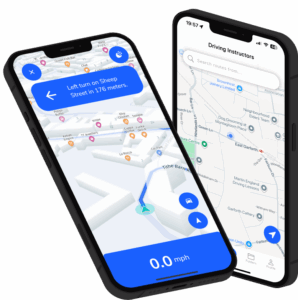
The most effective preparation is to drive the roads most commonly used around the Salisbury driving test centre before your test date. RouteBuddy gives learner drivers access to commonly used routes around test centres across the UK, including Salisbury. Turn-by-turn voice guidance mirrors the independent driving section of the test itself.

Practising with RouteBuddy helps following directions become automatic. Every route in the app is kept up to date with current road layouts and speed limits, so what you practise closely reflects what you are likely to face on test day.

If you are considering nearby alternatives, the closest test centres include Southampton and Andover. Both cover different road networks with their own specific challenges. Southampton in particular has a more complex urban road environment than Salisbury due to its port area traffic and busy ring roads.

Pass rates vary across the South West region and shift year on year. Always check the most current figures at the DVSA's official statistics page before making any decision. In addition, travelling to an unfamiliar test centre introduces its own risks. Knowing your local roads remains the strongest preparation strategy available.

Final Preparation for Salisbury Driving Test Routes

The week before your test is your most valuable preparation window for Salisbury driving test routes. Here is how to use it effectively:

  • Drive the most common routes using RouteBuddy, focusing on city centre junctions, A36 and A30 sections, and roundabouts
  • Practise rural lane confidence since Wiltshire countryside roads are one of the most Salisbury-specific challenges on test day
  • Review the Highway Code for rural roads, A-road driving, and roundabouts at the official Highway Code
  • Do a full mock test with your instructor, with no prompting and in full test conditions
  • Practise at the same time of day as your actual test slot since traffic on city centre roads changes significantly throughout the day
  • Prepare your documents the night before so test morning is calm and unhurried

How RouteBuddy Helps You Prepare for Salisbury Driving Test Routes

Familiarise Yourself With the Routes Before Test Day

RouteBuddy is a UK driving test preparation app built specifically for learner drivers. It gives you access to commonly used routes around test centres across the UK, including Salisbury. Rather than practising on random roads, you drive the junctions, roundabouts, and stretches of road most likely to feature on your test.

For Salisbury specifically, this means getting familiar with the historic city centre roads, the A36 and A30 sections, the rural Wiltshire lanes, and the residential streets in Harnham and Bemerton before your test date. By the time test day arrives, those roads are already familiar.

Sat-Nav Simulation That Mirrors the Test

Since 2017, the independent driving section of the UK practical test has used a sat-nav for around 20 minutes. RouteBuddy mirrors this with turn-by-turn voice guidance through Salisbury driving test routes. Following directions on unfamiliar roads becomes second nature before you sit in the examiner’s car.

Always Up to Date

Every route in the RouteBuddy app is kept current with the latest road layouts, speed limits, and traffic conditions. Therefore, what you practise on RouteBuddy closely reflects what you are likely to face on test day at Salisbury.

Download RouteBuddy on iOS and Android

RouteBuddy is available on the Apple App Store and Google Play. Whether you are an iPhone or Android user, you can start preparing for your Salisbury driving test today. Visit RouteBuddy to find out more.

Driving Test Routes

Practical Steps Before Your Salisbury Test

Before You Book Your Test Slot

In the Weeks Leading Up to Your Test

  • Practise the sat-nav section using RouteBuddy to simulate your test routes so following directions becomes automatic
  • Focus on rural lane confidence and A-road speed management on every practice drive around Salisbury
  • Do a full mock test on the most common routes with no prompting and in full test conditions

On Test Day

  • Arrive early at Rougemont Close, Salisbury and give yourself time to settle before your slot
  • Prepare your documents the night before so test morning is calm and unhurried

The Bottom Line

Salisbury driving test routes are varied, characterful, and genuinely rewarding for well-prepared learners. The historic city centre roads, A-road sections, and Wiltshire rural lanes combine to create a test that separates those who have prepared specifically from those who have not.

Knowing the routes, understanding the specific hazards, and walking familiar with the road layout makes all the difference. With the right preparation behind you, Salisbury driving test routes stop being something to fear and start being something you are fully ready for.