

When preparing for your driving test, it’s natural to wonder: how many mistakes are allowed on driving test? The DVSA sets clear criteria for the number of faults you can make before failing the test. Understanding these rules and avoiding common mistakes is key to passing your test. In this blog, we’ll walk you through the mistakes allowed during the test, what you should focus on to improve your chances of success, and how to stay calm during the test.

How Many Mistakes Are Allowed on Driving Test?
The DVSA allows a certain number of mistakes during your driving test. Here’s what you need to know:
- Driving faults (minor faults): You can make up to 15 driving faults (also known as minors) during the driving test without failing. These are small mistakes, such as not signalling correctly or slight issues with lane discipline. If you keep repeating the same driving fault, it could turn into a more serious fault.
- Serious faults: A serious fault is something that is potentially dangerous, such as failing to check blind spots or to give way at a junction. These mistakes may lead to immediate failure.
- Dangerous faults: A dangerous fault involves actual danger to you, the examiner, or other road users. For example, performing a manoeuvre that could cause a collision or failing to stop at a red light is considered a dangerous fault, leading to an immediate fail.
So, how many mistakes are allowed on the driving test? The answer is up to 15 driving faults (minors), but you must avoid serious or dangerous faults to pass the test successfully. The DVSA pass mark is as follows:
- No more than 15 driving faults.
- No serious or dangerous faults.
Source: Gov.uk – Driving Test Faults and Your Result
Common Mistakes to Avoid on Your Driving Test
While you can make 15 minor faults, it’s crucial to avoid the mistakes that are most likely to lead to a major fault or serious fault. Here are some common mistakes to avoid:
1. Not Checking Your Mirrors
Failure to regularly check your mirrors is a common minor fault, but it can lead to a more serious fault if it results in a dangerous situation. Always check your mirrors before changing lanes, making turns, or adjusting speed.
2. Inaccurate Manoeuvres
Poorly performed manoeuvres, such as parallel parking or reversing around a corner, are often minor faults. However, performing these manoeuvres in a dangerous way—such as hitting the curb or causing another driver to take evasive action—can result in a major fault.
3. Incorrect Use of Signals
Always use your indicators when changing lanes or turning. Failing to signal correctly or failing to signal when necessary can lead to a minor fault, but it can escalate into a serious fault if it causes confusion or danger to other road users.
4. Poor Observation at Junctions
Failing to check your surroundings when approaching junctions, roundabouts, or other intersections is a serious mistake. The examiner will be looking for good observation skills, so make sure to check your mirrors and blind spots before making a manoeuvre.
How to Minimise Mistakes During Your Driving Test
Now that you know how many mistakes are allowed on driving test, here are some tips to help you minimise your mistakes and increase your chances of passing:
1. Practice Regularly
The best way to avoid mistakes is to practice frequently. Make sure to focus on the skills most commonly tested, such as manoeuvres, lane discipline, and road positioning.
2. Stay Calm
Test nerves can lead to mistakes, so try to stay calm. Take deep breaths before starting the test and focus on safe, confident driving. If you make a minor mistake, don’t dwell on it—just keep going and stay focused on the next task.
3. Know the Road Signs
Understanding road signs and following the correct road markings is essential. Make sure you know what each sign means, and don’t hesitate to slow down or stop if you’re unsure about a situation.
4. Use Your Mirrors and Check Blind Spots
Regularly check your mirrors, especially before changing lanes or turning. Checking your blind spots is crucial for making safe manoeuvres, and failing to do so can result in a serious accident.
RouteBuddy: Practise with Real Routes Before Your Test
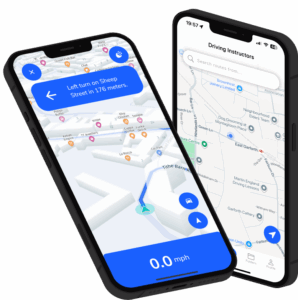
To improve your chances of success and reduce mistakes, use RouteBuddy. This app allows you to practice real-world test routes in your local area. By driving the test routes before your actual test, you can become familiar with tricky junctions, roundabouts, and road markings.
Using RouteBuddy to practice specific driving test routes helps you reduce test-day anxiety and build confidence by simulating real test conditions. With RouteBuddy, you can master the skills required for your driving test and reduce the likelihood of making mistakes on the day.
Practice driving test routes with RouteBuddy!
Conclusion: Minimise Mistakes and Pass Your Test
When it comes to your driving test, the goal is to make fewer than 15 minor faults and avoid major or serious mistakes. By practising regularly, staying calm, and focusing on key skills, you can increase your chances of success. RouteBuddy is an excellent tool to help you familiarise yourself with real test routes and reduce test-day anxiety.
Good luck with your driving test preparation! Remember that preparation is the key to success.
FAQs
1. How many mistakes are allowed on driving test?
You can make up to 15 minor faults during the test, but major faults or serious faults will result in immediate failure.
2. What is considered a major fault on the driving test?
A major fault is any mistake that endangers road safety, such as failing to stop at a red light or making an unsafe manoeuvre.
3. How can I minimise mistakes on my driving test?
You can minimise mistakes by practising regularly, staying calm, being aware of road signs, and using tools like RouteBuddy to practice real test routes.
4. Does the examiner tell you if you passed immediately?
Yes, the examiner will inform you of your result immediately after the test and provide feedback on your performance.

Start your practice with RouteBuddy today!