

RouteBuddy

UK Speed Limits: FAQs Every Learner Should Read!

UK speed limits are one of those topics that feel straightforward until you are actually behind the wheel. Different roads, different vehicle types, and different signs all create a web of rules that many learner drivers find genuinely confusing. Getting them wrong on your driving test, however, can cost you a serious fault in an instant.

This guide answers the most common questions learner drivers ask about UK speed limits, so you walk into your test knowing exactly what applies, where, and why.

UK Speed Limits

UK Speed Limits: The Basics

UK speed limits vary depending on the road type and the vehicle you are driving. For a standard car, the limits are:

  • 20mph - on roads with a 20mph zone sign, typically in residential and school areas
  • 30mph - on roads in built-up areas with street lighting, unless signs state otherwise
  • 40mph or 50mph - where signs are posted on specific roads
  • 60mph - the national speed limit on single carriageway roads outside built-up areas
  • 70mph - the national speed limit on dual carriageways and motorways

As confirmed by the Highway Code on GOV.UK, these limits are the maximum permitted speeds. They are not targets. Driving at the limit is only appropriate when road and traffic conditions allow it safely.

The national speed limit sign is a white circular sign with a black diagonal stripe through it. When you see this sign, it means the national speed limit applies for your vehicle type on that road.

For a car on a single carriageway, this means 60mph. On a dual carriageway or motorway, this means 70mph. Furthermore, the same sign applies different limits depending on the road type, which is why many learners find it confusing at first.

No. UK speed limits vary depending on the vehicle you are driving. Cars and motorcycles follow the standard limits above. However, larger vehicles such as vans, minibuses, and vehicles towing trailers have lower national speed limits on certain road types.

As a learner driver in a standard car, the limits above apply to you throughout your test. Knowing them confidently before test day is therefore essential.

UK Speed Limits: Signs and Roads

There are two ways to identify the speed limit on any road in the UK. First, look for a speed limit sign, which is a red-bordered circular sign with a number inside it. Second, use the street lighting rule.

The street lighting rule states that any road with street lights and no speed limit sign has a default limit of 30mph. This applies to the vast majority of urban and suburban roads you will drive on during your test. Consequently, if you see street lights and no sign, assume 30mph.

This is one of the most commonly misunderstood aspects of UK speed limits. A 20mph zone is an area where the entire zone operates at 20mph, marked by a sign at the entry point. You do not need repeated signs within the zone to know the limit still applies.

A 20mph speed limit, in contrast, is a limit on a specific road and is shown by repeated circular signs. The distinction matters because missing the zone entry sign and driving at 30mph inside a 20mph zone is a common test fault. Therefore, always look for zone entry signs on residential roads.

Missing a speed limit change and continuing at the wrong speed is one of the most common causes of serious faults on UK driving tests. If you exceed the new limit, even briefly, the examiner will record a serious fault. If the examiner judges your speed as dangerous, it becomes a dangerous fault.

The most effective way to avoid this is to practise on the specific roads your examiner will use before your test date. RouteBuddy gives you access to commonly used routes around your test centre, with up-to-date speed limit information built in, so speed limit changes on your test routes are never a surprise.

Yes, always. UK speed limits are absolute. There is no legal allowance for exceeding the limit even in perfect weather, on an empty road, or in an emergency. On a driving test, exceeding the speed limit by any amount results in a serious fault at minimum.

Moreover, the examiner will also assess whether your speed is appropriate for the conditions, even within the limit. Driving at 60mph on a national speed limit road in heavy rain, for example, may still result in a fault for inappropriate speed even though the limit technically allows it.

UK Speed Limits: Common Test Mistakes

Based on the DVSA's data on the most common driving test faults, inappropriate speed is consistently among the top causes of failure across Great Britain. The most common speed-related mistakes on test day include:

  • Missing a speed limit change - not spotting a new limit sign and continuing at the previous speed
  • Driving too slowly - travelling significantly below the limit without good reason, causing undue hesitation
  • Not adjusting for conditions - driving at the limit when weather or traffic conditions make it unsafe
  • Creeping over the limit - gradually drifting above the limit, particularly on faster roads
  • Misreading the national speed limit sign - applying 60mph on a dual carriageway instead of 70mph, or vice versa

Knowing these fault patterns in advance allows you to actively monitor your speed throughout the test rather than discovering the issue on your scoresheet.

Yes. Driving significantly below the speed limit without a good reason is recorded as undue hesitation or inappropriate speed, both of which accumulate as minor faults. If the pattern is consistent throughout the test, minor faults in the same category can be upgraded to a serious fault.

In addition, driving too slowly can create hazards for other road users, particularly on faster roads. If the examiner judges your slow speed as potentially dangerous, it can result in a serious or dangerous fault directly.

Checking your speedometer regularly is the most reliable method. Good learner drivers develop a habit of glancing at the speedometer at regular intervals, particularly after junctions, when leaving built-up areas, and when the road type changes.

Furthermore, using the street lighting rule and actively looking for speed limit signs on approach to new road sections keeps you aware of the current limit at all times. Practising this habit consistently during lessons and practice drives means it becomes automatic by test day.

UK Speed Limits: Preparation Tips

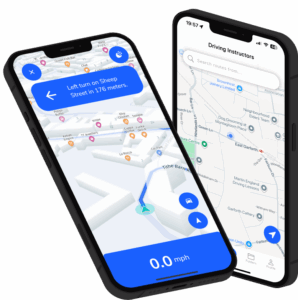
The most effective preparation strategy is to drive the roads on your test route before test day. Knowing where speed limit changes occur on specific roads removes the element of surprise entirely. RouteBuddy gives learner drivers access to commonly used routes around test centres across the UK, with turn-by-turn voice guidance so you practise on the roads that matter most before your test.

In addition, reviewing the Highway Code speed limit guidance on GOV.UK before your test reinforces the rules so they are second nature on the day.

The street lighting rule is the single most useful memory tool for learner drivers. If there are street lights and no sign, the limit is 30mph. If there is a national speed limit sign, the limit depends on the road type, 60mph on a single carriageway and 70mph on a dual carriageway or motorway.

For all other limits, look for the circular red-bordered signs and treat them as your definitive guide. Moreover, building the habit of actively scanning for signs every time you approach a new road section during your lessons means you are never caught out during the test.

How RouteBuddy Helps You Handle UK Speed Limits on Test Day

Know the Speed Limit Changes Before You Arrive

RouteBuddy gives learner drivers access to commonly used routes around test centres across the UK. Rather than encountering speed limit changes for the first time under test pressure, you drive those roads in advance and learn exactly where the limits change. By the time test day arrives, adjusting your speed at specific points on the route feels automatic.

Sat-Nav Simulation That Mirrors the Test

Since 2017, the independent driving section of the UK practical test has used a sat-nav for around 20 minutes. RouteBuddy mirrors this with turn-by-turn voice guidance through your test centre routes. Following directions while managing speed becomes second nature before you sit in the examiner’s car.

Always Up to Date

Every route in the RouteBuddy app is kept current with the latest road layouts and speed limits. Therefore, what you practise on RouteBuddy accurately reflects the speed limits you will encounter on test day.

Download RouteBuddy on iOS and Android

RouteBuddy is available on the Apple App Store and Google Play. Whether you are an iPhone or Android user, you can start preparing today. Visit RouteBuddy to find out more.

Driving Test Routes

Practical Steps to Master UK Speed Limits Before Your Test

Learn the Rules

  • Study the Highway Code speed limit section in the official Highway Code on GOV.UK
  • Memorise the street lighting rule, lights with no sign mean 30 mph
  • Learn the national speed limit sign and understand it applies different limits on different road types

Practise on the Right Roads

  • Download RouteBuddy and drive the commonly used routes around your test centre before test day
  • Practise the sat-nav section using RouteBuddy so following directions becomes automatic
  • Focus specifically on speed limit change points on your test routes during every practice drive

On Test Day

  • Check your speedometer regularly throughout the test, especially after junctions and when road types change
  • Look for signs actively on every approach to a new road section
  • Check the latest DVSA guidance at the official statistics page to understand what examiners assess

The Bottom Line

UK speed limits are not complicated once you know the rules. The street lighting rule, the national speed limit sign, and the habit of actively scanning for new limit signs are the three tools that keep your speed correct throughout a driving test.

The learners who fail on speed are almost always the ones who have not built these habits into their driving before test day. With the right preparation behind you, UK speed limits stop being a source of anxiety and start being something you handle automatically every time you drive.