

Choosing between manual or automatic is one of the biggest decisions learner drivers make before starting lessons. Some learners prefer the simplicity of automatic cars, while others want the flexibility that comes with learning in a manual vehicle.
However, deciding is not always easy. Both options offer different benefits, costs, and learning experiences. In this guide, we’ll explain the differences between manual and automatic, the advantages of each, and how to decide which option suits your driving goals.

What is the Difference Between Manual or Automatic?
The main difference between manual or automatic cars is how the gears work.
Manual Cars
A manual car requires the driver to:
- change gears manually
- Use a clutch pedal
- control gear changes depending on speed and road conditions
Automatic Cars
An automatic car changes gears automatically. This means:
- There is no clutch pedal
- Gear changes happen automatically
- learners can focus more on steering and road awareness
Both types of vehicles appear on UK roads every day. However, the driving experience feels very different.
The DVSA explains the rules for learning and taking your driving test in both manual and automatic vehicles in their official guide to
👉 learning to drive a car.
Manual or Automatic: Which is Easier to Learn?
For many learners, automatic cars feel easier to drive at first. Since the vehicle changes gears automatically, learners can focus more on:
- steering
- observations
- speed control
- road positioning
As a result, many learners feel less overwhelmed in automatic cars.
On the other hand, manual cars require more coordination. Learners must balance clutch control, gear changes, and speed at the same time. This can feel challenging during the early lessons.
However, regular practice helps manual driving become more natural over time.
Benefits of Learning Manual
Choosing manual or automatic often depends on your long-term driving goals. Manual cars still offer several advantages.
1. More Vehicle Choice
If you pass your test in a manual car, you can legally drive both manual and automatic vehicles. This gives you more flexibility when:
- buying a car
- renting vehicles
- borrowing family cars
In contrast, passing in an automatic limits you to automatic vehicles only.
2. Manual Cars Can Cost Less
Manual cars are often cheaper to buy and maintain. Additionally, some insurance policies may cost less for manual vehicles, depending on your experience and age.
Fuel efficiency may also improve in certain manual cars, although modern automatics continue to improve every year.
3. Better Understanding of Vehicle Control
Many instructors believe manual driving helps learners develop a stronger understanding of vehicle control. Since learners actively manage gears and clutch control, they often become more aware of:
- engine speed
- road conditions
- vehicle handling
This can improve overall driving awareness.
Benefits of Learning Automatic
Although manual cars remain popular, automatic vehicles continue to grow in popularity across the UK.
1. Easier for Nervous Learners
Many anxious learners prefer automatic lessons because they remove the stress of clutch control and stalling.
Without gear changes, learners can focus more on:
- observations
- mirrors
- hazards
- traffic awareness
This often helps build confidence faster.
2. Smoother in Traffic
Automatic cars are especially useful in heavy traffic. Drivers do not need to constantly stop, start, and change gears in queues or busy town centres.
For learners living in busy cities, this can make driving feel far less stressful.
3. Faster Learning for Some Learners
Some learners pass more quickly in automatic cars because they spend less time learning clutch control and gear management.
However, this depends entirely on the individual learner and their confidence levels.


Manual or Automatic: Which Test is Easier?
Many learners ask which driving test is easier.
The structure of both tests remains the same. The examiner still checks:
- observations
- road awareness
- speed control
- safe driving decisions
You can learn more about this in the DVSA guide to 👉 What happens during the driving test.
However, many learners feel the automatic test feels simpler because they do not need to worry about:
- stalling
- Incorrect gear changes
- clutch control mistakes
Even so, automatic learners still need strong road awareness and safe driving habits to pass.
How RouteBuddy Helps Manual and Automatic Learners
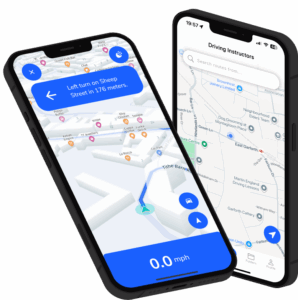
Whether you choose manual or automatic, practising real driving test routes is extremely important. This is where RouteBuddy helps learners prepare more effectively.
How RouteBuddy Supports Manual or Automatic Learners
Real Driving Test Routes
RouteBuddy provides access to real UK driving test routes used near test centres.
Turn-by-Turn Navigation
Learners can follow routes using sat-nav style navigation while practising independently.
Practice for Independent Driving
RouteBuddy helps learners prepare for the independent driving section of the practical test.
Confidence Building
Practising routes regularly helps reduce anxiety and improve confidence before test day.
Whether you learn in a manual or automatic car, RouteBuddy helps you become familiar with local roads and common test areas.
How to Decide Between Manual or Automatic
When deciding between manual or automatic, ask yourself these questions:
Do you want more vehicle options later?
If yes, the manual may suit you better.
Do you struggle with coordination or confidence?
If yes, automatic may feel easier initially.
Will you mostly drive in busy towns or cities?
Automatic cars often feel more comfortable in traffic.
Do you want to pass as quickly as possible?
Some learners progress faster in automatic vehicles.
Ultimately, the best choice depends on your confidence, goals, and personal preference.
Quick FAQs About Manual or Automatic
Can I drive a manual car if I passed in an automatic?
No. An automatic licence only allows you to drive automatic vehicles.
Can I drive an automatic if I pass in a manual?
Yes. A manual licence covers both manual and automatic cars.
Are automatic lessons more expensive?
Sometimes. Automatic lessons and cars can cost slightly more depending on the area.
Final Thoughts
Choosing between manual and automatic is a personal decision. Both options help learners become safe drivers, but each offers different advantages.
Manual cars provide flexibility and broader driving options. Meanwhile, automatic cars often feel simpler and less stressful for nervous learners.
No matter which option you choose, consistent practice remains the key to passing your driving test confidently. Tools like RouteBuddy can help both manual and automatic learners practise real test routes, improve familiarity with local roads, and feel more prepared for test day.