

Driving in Slough presents a variety of challenges, with a mix of busy town streets, residential areas, and rural roads. The Slough Driving Test Routes are designed to test your skills across these different road types. If you’re preparing for your test in Slough, understanding the route and practising in real-world conditions will help you pass with confidence.
Read More: Insider Tips on Slough (London) Driving Test Routes
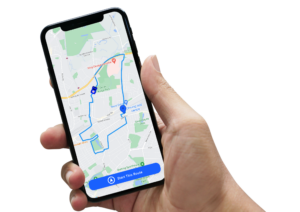

Explore and practise the Slough Driving Test Routes with RouteBuddy!
20 Key FAQs About Slough Driving Test Routes for Learners:
1. Where is the Slough Driving Test Centre?
📍 Slough Driving Test Centre, 12 Waterside Drive, Slough, SL3 6EZ. This is where your test will begin and end. The centre is easily accessible and equipped with basic amenities, including toilets and parking facilities.
2. What is the route like for the Slough driving test?
The Slough Driving Test Routes cover a combination of residential streets, main roads, and rural roads. You will encounter different types of junctions, roundabouts, and traffic situations, making it a comprehensive test of your driving skills.
3. Which areas of Slough should I focus on during practice?
Focus on the Slough High Street area, where you’ll encounter heavy traffic and tight spaces. Waterside Drive, the main road near the test centre, and the surrounding residential streets are also key areas to practise for your test.
4. What types of roads will I drive on during the test?
The route will include:
- Residential roads with tight corners and parked cars
- Busy main roads like Waterside Drive and Slough High Street
- Roundabouts and traffic lights
- Rural roads that may have sharp bends
5. What should I be cautious of on residential roads in Slough?
When driving on residential roads, be aware of parked cars, cyclists, and pedestrians to ensure your safety and theirs. Always check your mirrors and be prepared for sudden stops. On streets like Cranbourne Road, you may face tight turns and restricted visibility.
6. How do I handle roundabouts on the Slough test route?
Slough has several roundabouts, especially around the Slough Trading Estate. Ensure you know how to navigate multi-lane roundabouts. Always signal clearly, check your mirrors, and be aware of other drivers’ intentions.
7. Are there any busy junctions on the Slough Driving Test Routes?
Yes, expect to encounter busy junctions, such as the Bath Road junction, where heavy traffic and lane discipline are key. Always ensure you’re in the correct lane well before the junction.
8. Will I need to perform any parking manoeuvres during the test?
Parking manoeuvres are often tested in Slough, particularly bay parking or parallel parking along Waterside Drive or other tight residential streets. Practise these manoeuvres to avoid mistakes.
9. Is there a dual carriageway section on the Slough driving test?
Yes, the A4 Bath Road is a dual carriageway that you’ll likely encounter. Keep to the correct lane, respect speed limits, and maintain a safe distance from other vehicles.
10. How important is pedestrian awareness on the Slough test routes?
Pedestrian awareness is crucial in Slough due to the number of crosswalks and school zones. Always slow down and be prepared to stop, especially near residential areas and schools like St. Mary’s School.
11. What speed limits should I be aware of on the Slough driving test routes?
Speed limits you will encounter include:
- 30 mph in residential areas and town streets like High Street
- 40 mph on main roads like Waterside Drive
- 60 mph on rural roads
- 20 mph in certain school zones or residential streets
12. What’s the best way to prepare for heavy traffic in Slough Driving Test Routes?
Practice in busy areas, such as Slough High Street or Bath Road. Ensure you’re comfortable with lane discipline, stopping at traffic lights, and negotiating roundabouts. Use RouteBuddy to simulate the Slough Driving Test Routes in real conditions.
13. What are the common mistakes on the Slough Driving Test Routes?
Some common mistakes include:
- Not checking blind spots when changing lanes, especially on busy roads.
- Failing to signal correctly at roundabouts or junctions.
- Inconsistent speed control, especially in residential areas with parked cars.
14. How should I deal with cyclists during the Slough test?
You’ll likely encounter cyclists on roads like Cranbourne Road or High Street. Always keep a safe distance, be aware of cyclists’ positions, and give them space when passing. Practising safe cycling awareness with RouteBuddy can help you during your test.
15. What kind of weather conditions should I be prepared for during the test?
Slough’s weather can be unpredictable, especially in winter. Rain, fog, or slippery roads can make driving challenging. Practise driving in various conditions with RouteBuddy to get comfortable with weather-related difficulties.
16. How long is the Slough driving test?
The test lasts around 40 minutes, covering residential streets, main roads, and various driving manoeuvres. You’ll be asked to perform a few controlled manoeuvres, such as a three-point turn or emergency stop.
17. What should I bring with me to the Slough Driving Test?
You’ll need to bring:
- Your provisional licence
- Theory test pass certificate
- A roadworthy car with L-plates
- Glasses/contact lenses if needed
18. How should I deal with farm vehicles or slow-moving traffic on rural roads?
Be patient when dealing with farm vehicles or other slow traffic on rural roads around Slough. Always slow down, maintain a safe distance, and be prepared to overtake when it’s safe to do so.
19. How do I prepare for Slough High Street’s busy traffic?
Practice driving on Slough High Street and similar busy areas, where you’ll face heavy traffic and pedestrian crossings. Stay alert, manage your space, and be prepared to stop frequently.
20. What happens after my Slough driving test?
Pass: You can apply for your full licence online.
Fail: Review the examiner’s feedback and work on areas for improvement.
👉 Practise the Slough Driving Test Routes with RouteBuddy!
Sample Guide of the Slough Driving Test Routes:

Starting at Slough Test Centre
Location: 12 Waterside Drive, Slough, SL3 6EZ.
Directions: Exit the test centre and turn right onto Waterside Drive, heading towards Station Road.
First Section – Station Road (B470)
Lane: Keep to the left lane as you merge onto Station Road.
Speed limit: 30 mph.
Landmark: Passing near Slough High Street and busy retail areas.
Tip: Be aware of pedestrians and cyclists, especially at busy intersections. Use mirrors frequently, as the traffic can be heavy.
Continue to Langley Road
Lane: Stay in the left lane for Langley Road.
Speed limit: 40 mph.
Landmark: Passing near Langley Park and the surrounding residential areas.
Tip: Be aware of cyclists and ensure you signal clearly at all junctions.
Turn onto St. Mary’s Road
Lane: Turn left onto St. Mary’s Road, keeping to the left lane.
Speed limit: 30 mph.
Landmark: Passing St. Mary’s School.
Tip: Slow down near school zones and watch for children crossing.
Middle Green
Lane: Follow Middle Green’s narrow residential streets.
Speed limit: 30 mph.
Landmark: Passing a few local shops and residential areas.
Tip: Be aware of parked cars and prepare to stop for pedestrians.
Turn onto Coronation Avenue
Lane: Turn right onto Coronation Avenue, staying in the left lane.
Speed limit: 30 mph.
Landmark: Residential area with lots of side streets.
Tip: Be aware of vehicles emerging from side roads and parked cars.
Proceed to Uxbridge Road (A412)
Lane: Turn left onto Uxbridge Road (A412), staying in the left lane.
Speed limit: 40 mph.
Landmark: Passing through Datchet, with views of the surrounding countryside.
Tip: Maintain your speed and lane discipline, especially when merging into traffic.
Roundabout on A412
Lane: Approach the roundabout and position in the appropriate lane for your exit.
Speed limit: 40 mph.
Landmark: You’ll pass near The Long Walk and Windsor Great Park.
Tip: Be aware of cyclists and pedestrians crossing near roundabouts.
Wellington Street (A4)
Lane: Continue onto Wellington Street (A4), keeping to the left lane.
Speed limit: 30 mph.
Landmark: Passing near the HTC Roundabout.
Tip: This section of the road is often busy; be prepared to stop at traffic lights and roundabouts.
Turn onto High Street
Lane: Turn left onto High Street, keeping to the left lane.
Speed limit: 30 mph.
Landmark: Passing by the Windsor Castle area.
Tip: Expect heavy traffic and pedestrians; stay alert.
Bath Road
Lane: Continue straight through to Bath Road.
Speed limit: 40 mph.
Landmark: Residential and retail areas along the route.
Tip: Maintain a safe following distance, especially with heavy traffic.
Tuns Lane (A355)
Lane: Continue onto Tuns Lane (A355).
Speed limit: 50 mph.
Landmark: Passing near Royal Windsor Way and Windsor Great Park.
Tip: Be aware of merging traffic as this section becomes busier.
Roundabout on A355
Lane: Approach the roundabout, position in the left lane for your exit.
Speed limit: 50 mph.
Landmark: The area near Goslar Way.
Tip: Use your mirrors and check blind spots as the traffic can be fast-moving.
Royal Windsor Way (A332)
Lane: Continue on Royal Windsor Way (A332), staying in the left lane.
Speed limit: 50 mph.
Landmark: Passing Windsor Castle again and entering more rural roads.
Tip: Maintain a steady speed and be prepared to transition onto slower roads.
Goslar Way
Lane: Turn left into Goslar Way, staying left.
Speed limit: 30 mph.
Landmark: Residential area with many side streets.
Tip: Be aware of pedestrians and cyclists.
Roundabout on A308 (Osborne Road)
Lane: At the roundabout, take the exit towards Osborne Road.
Speed limit: 40 mph.
Landmark: You’ll pass near the Albert Road junction.
Tip: Use your mirrors when changing lanes.
Datchet Road
Lane: Continue on Datchet Road toward the town centre.
Speed limit: 30 mph.
Landmark: Passing through residential areas with tight turns.
Tip: Be alert for sudden stops and parked cars.
South Lea Road (B3021)
Lane: Turn right onto South Lea Road (B3021).
Speed limit: 30 mph.
Landmark: Local parks and residential areas.
Tip: Keep your mirrors checked, as vehicles may park on side streets.
Return to High Street (B470)
Lane: Head back towards High Street, staying in the left lane.
Speed limit: 30 mph.
Landmark: Passing by Slough High Street.
Tip: Expect heavy traffic during rush hours.
London Road
Lane: Turn left onto London Road, keeping in the left lane.
Speed limit: 40 mph.
Landmark: Passing near Langley Roundabout.
Tip: Be mindful of merging traffic at roundabouts.
Majors Farm Road
Lane: Continue onto Majors Farm Road, taking the exit near Langley Roundabout.
Speed limit: 30 mph.
Landmark: Residential streets with side roads.
Tip: Always signal early and check your mirrors.
Return to High Street & Station Road
Lane: Re-enter High Street, heading towards Station Road.
Speed limit: 30 mph.
Landmark: Near Slough Test Centre.
Tip: Get ready to park as you approach the test centre.
Complete the Loop Back to the Test Centre
Directions: From Station Road, turn left to return to Waterside Drive.
Speed limit: 30 mph, dropping to 20 mph as you approach the test centre.
Tip: You may be asked to perform a parking manoeuvre, such as a bay park. Ensure you position yourself early and finish with your wheels straight.
Conclusion: Ready to Conquer Slough Driving Test Routes?
The Slough Driving Test Routes cover a variety of road types, from busy town streets to quieter residential areas and rural roads. By practising with RouteBuddy and familiarising yourself with the specific roads and challenges in Slough, you’ll be better prepared for the test. Focus on key areas such as Slough High Street, Waterside Drive, and residential streets to improve your chances of passing.

Start practising the Slough Driving Test Routes today with RouteBuddy!