
Preparing for a practical driving test isn’t just about learning how to control the car. One of the biggest advantages a learner can have is familiarity, and that’s exactly where UK driving test routes come in.
UK driving test routes are the real-world roads used by examiners during practical driving tests. With more than 300 test centres across the country, each centre has multiple routes designed to assess a learner’s ability to drive safely in everyday traffic conditions. Learners who understand and practise these routes often feel calmer, more confident, and better prepared on test day.
This guide explains what driving test routes are, why they matter, how they support test readiness, and how a smart route-practice strategy using RouteBuddy can give learners a genuine edge.

What Are UK Driving Test Routes?
Driving test routes are specific road paths selected by examiners to assess key driving skills. These routes are carefully designed to include a variety of challenges, such as:
busy junctions and roundabouts
- residential streets
- changing speed limits
- pedestrian crossings
- lane positioning and road markings
The DVSA explains how routes are used in the test on its official page, what happens during the driving test.
Routes are not fixed forever. They are updated regularly due to roadworks, traffic changes, and test format updates, including the introduction of sat-nav independent driving.
Why UK Driving Test Routes Matter More Than Learners Realise
Many learners assume test routes are random. They aren’t. Understanding driving test routes allows learners to focus on driving well rather than reacting under pressure.
1. Driving Test Routes Reduce Test-Day Stress
Test anxiety often comes from uncertainty. When you don’t know what’s ahead, stress increases.
- Practising driving test routes helps learners:
- recognise tricky junctions in advance
- anticipate roundabouts and lane changes
- Prepare for sudden speed limit changes
- Stay calm when road markings are unclear
Less stress leads to better observation, smoother control, and fewer rushed decisions.
2. Route Practice Builds Muscle Memory
Repeatedly driving UK driving test routes creates muscle memory. This means:
- Mirror checks become automatic
- Lane positioning feels natural
- Speed control improves
- Reactions become quicker and calmer
This is particularly helpful in heavy traffic, where road signs or markings may be partially hidden.
Muscle memory supports the DVSA requirement for learners to drive independently, as explained in their guidance on independent driving.
3. UK Driving Test Routes Help Learners Anticipate, Not Memorise
There’s an important difference between memorising a route and understanding it.
Using driving test routes properly teaches learners:
- Why are certain lanes needed
- When examiners expect observations
- How traffic typically behaves in key areas
This prepares learners for route variations, not just one exact path.
UK Driving Test Routes and Test Readiness
Knowing driving test routes alone doesn’t guarantee a pass. Test readiness means being able to:
- drive without instructor prompts
- manage speed and gears consistently
- Respond safely to hazards
- make confident, independent decisions
Driving test routes support test readiness, but they don’t replace learning core driving skills.
Where UK Driving Test Routes Help the Most
Learners most often struggle in the same types of locations. UK driving test routes are especially valuable for practising:
- complex multi-lane roundabouts
- busy junctions near test centres
- sudden changes in road layout
- pedestrian-heavy areas
- awkward signage or lane markings
Practising these areas repeatedly builds confidence and consistency.
UK Driving Test Routes and Independent Driving
Independent driving makes up around half of the practical test. Learners are required to follow:
- sat-nav directions, or
- road signs
- Practising UK driving test routes helps learners:
- Stay calm when following directions
- recover safely if a turn is missed
- Focus on safety rather than perfection
Using RouteBuddy as a Driving Test Route Strategy
If you want to use driving test routes effectively, how you practise matters.
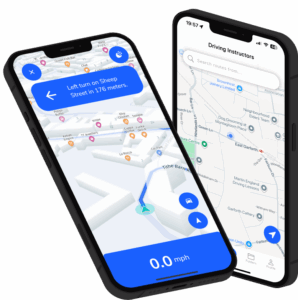
RouteBuddy is designed specifically to support realistic route practice. It provides turn-by-turn navigation for real UK driving test routes, built using instructor submissions, AI validation, and regular updates. It works with CarPlay and Android Auto, allowing learners to practise independently between lessons.
RouteBuddy helps learners:
- Practice real UK driving test routes used by examiners
- Prepare for sat-nav independent driving
- Repeat tricky sections confidently
- drive full test-length routes
- reduce reliance on lessons alone
- feel calmer when routes vary slightly
This makes RouteBuddy a practical tool for learners who want structured, confidence-building preparation.
How Often Should You Practise Driving Test Routes?
For best results, learners should:
- Practise routes alongside lessons
- Repeat difficult sections, not just full routes
- drive at different times of day
- Practise independently once confident
The goal is familiarity and adaptability, not memorisation.
Common Mistakes Learners Make with Driving Test Routes
Driving test routes are only helpful when used correctly. Common mistakes include:
- memorising turns instead of understanding layouts
- ignoring general driving skills
- practising only one route
- failing to reflect on mistakes
Route practice should complement learning, not replace it.
Final Thoughts
Driving test routes give learners a real edge by reducing stress, building confidence, and helping driving feel more natural under test conditions. When learners know what to expect, they’re free to focus on safe, independent driving, exactly what examiners want to see.
Combined with strong driving skills and a structured approach using tools like RouteBuddy, practising driving test routes can be the difference between feeling overwhelmed and feeling ready.