
One of the most effective ways to prepare for your driving test is to practise real test routes. These routes, used by examiners, are specifically designed to assess key driving skills. By familiarising yourself with these routes, you can identify areas where you excel and areas that may need improvement.
In this blog, we explore 5 ways test routes help learners improve their driving skills and how using tools like RouteBuddy can make your preparation even more effective.

5 Ways Test Routes Help Learners Improve Their Driving Skills
1. Test Routes Help Learners Understand Road Signs and Traffic Flow
One of the first things you’ll encounter on any driving test is road signs. Routes often include a wide range of signs, from speed limits to give way signs, and understanding them is key to passing.
Familiarity with routes helps learners learn to spot and react to road signs quickly. Practising these routes allows you to focus on understanding the signs and knowing how to respond to them. Over time, you’ll recognise common signs on your routes and adapt your driving accordingly.
The DVSA explains that road signs and traffic flow management are vital to the test, and road sign recognition is a key area of assessment.
2. Practising Builds Confidence in Roundabouts and Junctions
Navigating roundabouts and junctions are some of the most challenging aspects of driving. Test routes are specifically designed to put learners in situations where they must navigate complex junctions or busy multi-lane roundabouts.
By practising routes, learners become familiar with where to position their car, how to check for traffic, and how to enter and exit roundabouts safely. The more you drive these routes, the more confident you’ll become.
The DVSA highlights how critical junction handling and roundabout navigation are for test success, as explained in 👉 what happens during the driving test.
3. It Help Learners Improve Lane Discipline and Positioning
Lane discipline is another skill examiners pay close attention to during the driving test. Test routes often require learners to change lanes or navigate lanes with multiple exits. Practising these routes helps learners improve their lane positioning, merging, and lane-changing techniques.
By driving these routes repeatedly, learners can strengthen their muscle memory, ensuring they’re in the correct lane at the right time. This level of familiarity reduces stress and allows you to focus on the road ahead.
The DVSA places significant importance on lane discipline as part of their assessment, so learners must be comfortable with it before taking the test. Learn more about lane discipline in the DVSA guide.
4. Test Routes Improve Speed Control and Awareness
Another essential aspect of the test is speed control. During the test, you’ll be asked to drive at different speeds according to the road conditions, such as urban streets, dual carriageways, and residential areas. Routes often include roads with changing speed limits, requiring learners to adjust their speed accordingly.
Practising these routes helps learners develop a natural sense of speed control, ensuring they can react quickly to changing road conditions without over- or underspeeding. Being familiar with speed limits and road types makes it easier to manage speed throughout the test.
The DVSA states that speed control is crucial for passing the test. You can learn more about speed limits here.
5. Test Routes Help Learners Prepare for Independent Driving
One of the most important parts of the driving test is independent driving, where learners must follow sat-nav directions or road signs without direct guidance from the examiner. This provides the perfect practice ground for this skill, as they allow learners to practise navigating without someone telling them exactly where to turn.
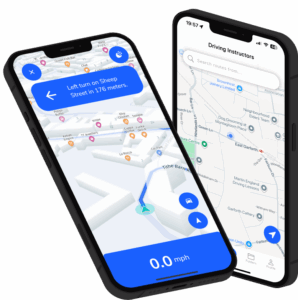
Using an app like RouteBuddy can help you practise independent driving by following real routes and simulating sat-nav navigation. This helps you build the confidence and skills needed for the independent driving section of the test.
The DVSA stresses the importance of independent driving, and practising real routes prepares you for this critical section of the test.
How RouteBuddy Can Help You Practise Effectively
While traditional lessons with an instructor are essential, using an app like RouteBuddy can help you prepare more effectively. RouteBuddy offers turn-by-turn navigation for UK routes, so you can practise exactly what you’ll face on test day.
Why Use RouteBuddy?
- Real Test Routes: RouteBuddy gives you access to real routes used by examiners, so you’ll be practising on the same roads used during the test.
- Independent Driving Practice: RouteBuddy simulates independent driving, allowing you to follow sat-nav instructions or road signs as part of your practice.
- Up-to-Date Routes: RouteBuddy’s routes are regularly updated, ensuring you’re practising the most relevant and current routes.
- Confidence Boost: By practising on real routes, you’ll feel confident on test day, knowing exactly what to expect.
Quick FAQs
Can I practice the test routes before my test?
Yes, practising routes is encouraged and allowed. It helps learners become familiar with the areas they will encounter during the test.
Do test routes vary by location?
Yes, each test centre has its own set of routes, so it’s important to practise routes specific to your test centre.
Is a test routes app necessary for preparation?
While it’s not essential, a routes app like RouteBuddy can significantly improve your preparation by providing real-time, turn-by-turn guidance.
Final Thoughts
Practising routes is one of the most effective ways to improve your driving skills and prepare for your driving test. By familiarising yourself with these routes, you can build confidence, reduce stress, and improve your lane discipline, speed control, and independent driving skills.
With the help of RouteBuddy, you can practise real routes at your convenience, boosting your chances of passing the test with confidence.