
When preparing for your driving test, one of the most valuable pieces of knowledge is knowing the driving test routes you’ll be taking. These routes are specifically designed by examiners to assess a variety of driving skills, so being familiar with them can significantly boost your confidence and performance on the day of your test.
In this guide, we explain how to find driving test routes, where you can access them, and how using tools like RouteBuddy can make your preparation easier and more efficient.

Why Finding Driving Test Routes Is Important
Knowing the driving test routes beforehand gives you a distinct advantage. Familiarity with the roads you’ll drive on during your test helps reduce stress, allows you to anticipate tricky areas, and enables you to focus on driving rather than navigating. You’ll feel more at ease when you’re not constantly wondering where you need to turn next or if you’ve missed a key junction.
The DVSA explains that driving test routes are designed to evaluate how well you can drive in real-life conditions, and you must be familiar with the route so you can concentrate on your driving skills, not the directions. Learn more from the DVSA’s section on 👉 what happens during the driving test.
1. Ask Your Instructor for the Test Routes
One of the best ways to find driving test routes is to ask your driving instructor. As a professional, they should have access to real test routes in your area. Most instructors will be familiar with the local routes and can guide you through them during your lessons. This way, you’ll have first-hand experience of the test routes, including tricky junctions, roundabouts, and busy roads.
The DVSA explains the role of driving instructors in helping learners understand test routes and test-day expectations in their official guidelines. More information can be found in 👉 driving lessons and test preparation.
2. Check Online for Local Test Routes
In addition to asking your instructor, you can find driving test routes by checking online resources. Many driving schools and websites dedicated to driving test preparation offer information on the routes used by examiners. These websites might include videos, maps, and detailed descriptions of test routes from local test centres.
One helpful tool is the DVSA’s official driving test guide, which provides details on test centres and the routes typically used in your area. You can also visit websites that specialise in providing local test route information.
3. Use a Test Route App Like RouteBuddy
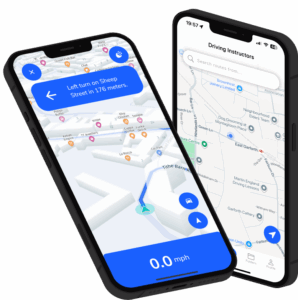
For learners looking for a modern, convenient way to find driving test routes, using a driving test route app is an excellent option. Apps like RouteBuddy provide turn-by-turn navigation for real test routes used by examiners at test centres all over the UK.
Why Use RouteBuddy?
Access to Real Test Routes: RouteBuddy gives you access to real UK test routes, allowing you to familiarise yourself with the exact roads and junctions you’ll encounter.
- Up-to-Date Routes: The app provides up-to-date test routes based on the latest submissions from instructors and examiners.
- Step-by-Step Navigation: RouteBuddy provides turn-by-turn instructions, just like a sat-nav, guiding you along the routes and helping you understand key areas to focus on during your test.
- Independent Driving Practice: You can also practise independent driving using sat-nav directions, which is a crucial part of your practical test.
4. Visit Your Local Test Centre
If you’re looking for a more hands-on approach to finding driving test routes, you can visit your local test centre. Most test centres will have general information about the areas used for testing, and some may even offer route maps for practice. By visiting the test centre in person, you can get a feel for the area and identify any potential challenges, such as busy roads, complex junctions, or one-way systems.
5. Use Google Maps and Online Street View
Another option for finding driving test routes is to use online tools like Google Maps or Google Street View. Although these tools won’t give you exact test routes, they allow you to explore specific roads, junctions, and areas you’re likely to encounter on your test.
While using Google Maps can’t replace real-world practice, it’s a great tool for previewing areas where you might struggle, such as a confusing roundabout or a tight corner. Once you’ve familiarised yourself with the layout, you can practise in person or with an app like RouteBuddy.
6. Look for Driving Test Route Maps Online
Some websites and forums dedicated to driving test preparation provide maps of test routes used in specific areas. These maps show the exact roads and junctions examiners are likely to use during your test. While these resources can be helpful, they are not always as up-to-date or accurate as using a dedicated test route app or getting guidance from your instructor.
7. Practise Regularly on Test Routes
Once you’ve found your test routes, regular practice is key. It’s not enough to just drive the test routes once. You should aim to drive the routes several times, ideally with a driving instructor, but also on your own with the help of RouteBuddy.
How RouteBuddy Can Help:
- Route Familiarity: RouteBuddy gives you access to real test routes to practice whenever you want.
- Driving Test Simulations: The app simulates real test conditions, helping you navigate complex junctions and roads.
- Building Confidence: Regularly practising on real test routes builds muscle memory, reduces anxiety, and helps you approach your test with confidence.
Quick FAQs: How to Find Driving Test Routes
Can I find the exact test routes online?
While it’s possible to find general route information online, it’s best to use an app like RouteBuddy to get real-time, accurate routes.
Can I practise driving test routes on my own?
Yes, practising test routes on your own is highly encouraged, especially with tools like RouteBuddy.
Are the routes on apps like RouteBuddy the same as the real test routes?
Yes, RouteBuddy provides real test routes used by examiners, so you can practise the exact roads you’ll encounter on your test.
Final Thoughts: How to Find Driving Test Routes
Knowing how to find driving test routes is a crucial step in preparing for your test. Whether you use an instructor, an app like RouteBuddy, or visit the test centre yourself, familiarising yourself with real test routes is key to feeling confident and prepared.
By practising the actual roads and junctions used in your test, you’ll reduce anxiety, build muscle memory, and approach the test with confidence. Combining practical lessons with smart tools like RouteBuddy will ensure you’re fully ready for test day.