

Driving Test Routes UK can help nervous learners feel more prepared by creating a clearer understanding of the roads around their test centre. While many learners know how to drive safely, the uncertainty of test day, unfamiliar roads, and fear of making mistakes can affect their confidence. Preparing for a driving test is not about memorising a route. It is about building experience, improving decision-making, and developing the confidence needed to handle different situations independently.
In this guide, we explore seven ways nervous learners can build confidence before their driving test, from practising local roads and learning from feedback to using the right preparation tools and support.


How Nervous Learners Can Build Confidence Before Test Day
1. Practise the roads around your test centre
One of the biggest reasons learners feel nervous is uncertainty.
Questions like these are common before a test:
- What roads will I drive on?
- Will there be difficult junctions?
- What if I make a mistake somewhere unfamiliar?
Practising around your test centre can help reduce some of that uncertainty.
Driving test routes UK learners use for preparation can introduce them to:
- Common road layouts
- Challenging junctions
- Busy areas
- Different speed limits
- Local traffic conditions
The aim is not to predict the exact route an examiner will take. The DVSA does not publish official driving test routes, and every test is designed to assess independent driving skills in different situations.
You can find more information about the practical test through the official DVSA driving test guidance.
The value of route practice comes from familiarity. When learners recognise the environment, they can focus more on making safe decisions.
2. Turn practice drives into learning opportunities
Confidence grows when learners understand their progress.
Simply driving around without a purpose can make it difficult to identify what is improving and what still needs attention.
A more effective practice session should have a focus.
For example:
- Practising difficult junctions
- Improving observation
- Working on independent driving
- Developing better planning skills
After each drive, learners should think about:
- What went well?
- What felt challenging?
- What should be practised again?
Understanding progress helps learners feel more in control of their preparation.
3. Build confidence through familiarity, not memorisation
A common mistake is believing that knowing a route means you are ready for a test.
The driving test is not about following a specific journey. It is about showing that you can drive safely and respond to different situations.
The DVSA explains that learners are assessed on their ability to drive safely and independently during the practical test. More details can be found in the official driving test guidance.
Practising local roads should help learners become comfortable with different situations rather than create dependence on a familiar route.
A confident driver is someone who can adapt.
4. Learn how to manage test nerves
- Nerves are a normal part of taking a driving test.
- Many learners worry that anxiety will affect their performance, even when they have prepared well.
- Understanding how stress and confidence affect learning can help learners approach test day with a better mindset.
- Some learners benefit from additional support that helps them understand confidence, manage pressure, and continue developing outside of practical lessons.
- Combining driving experience with wider learning and confidence-building resources can help create a more complete preparation approach.

5. Use feedback to improve your weaknesses
One of the fastest ways to improve is understanding where mistakes happen and why.
Instructor feedback can help learners identify areas they may not notice themselves, such as:
- Poor observation habits
- Late decisions
- Lack of planning
- Confidence issues in certain situations
The goal is not to become a perfect driver overnight. It is to make steady improvements that build safer habits over time.
The DVSA’s National standard for driving cars outlines the skills and understanding needed to become a safe and responsible driver.
6. Continue learning outside of driving lessons
Driving lessons are an important part of learning, but progress does not stop when a lesson ends.
Many learners benefit from continuing to develop their knowledge, confidence, and understanding between sessions.
Additional learning resources can help learners:
- Reinforce important concepts
- Understand areas they find difficult
- Prepare more effectively
- Build confidence before their test
Learners who want to develop a broader understanding of vehicle systems and maintenance can also explore a car mechanic training course alongside their practical driving preparation.
7. Prepare with the right tools and support
The strongest preparation usually comes from combining different types of support.
This can include:
- Professional driving instruction
- Structured practice
- Reviewing feedback
- Using helpful preparation tools
- Building confidence gradually
Technology has also changed how learners prepare.
Digital tools can help learners organise practice, explore test areas, and become more familiar with the roads around their test centre.
How RouteBuddy helps with Driving Test Routes UK practice
Technology has made it easier for learners to access structured route practice.
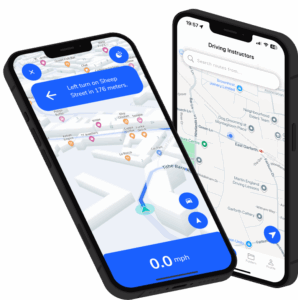
RouteBuddy helps learner drivers prepare by providing access to driving test routes across UK test centres.
With RouteBuddy, learners can:
- Explore routes around their chosen test centre
- Practise using turn-by-turn navigation
- Become familiar with local roads
- Track completed routes
- Make practice sessions more structured
RouteBuddy is designed to support preparation and practice. It does not provide official DVSA test routes, and practising routes does not guarantee a pass.
The aim is to help learners spend their practice time effectively and feel more prepared before their practical test.
Preparing for your driving test with confidence
Feeling nervous before a driving test is completely normal.
Confidence does not come from knowing exactly what will happen on the day. It comes from building experience, understanding your progress, and preparing in a way that works for you.
Driving test routes UK learners practise can help create familiarity and make practice sessions more focused, but they are only one part of becoming a confident driver.
The strongest preparation combines practical lessons, purposeful practice, feedback, and continued learning. By developing both driving skills and confidence over time, learners can approach their test feeling more prepared and ready to handle different situations safely.
Frequently Asked Questions
Are Driving Test Routes UK official?
No. The DVSA does not publish official driving test routes. However, practising around your local test centre can help learners become more familiar with the area.
Can driving test routes help nervous learners?
Yes. Practising local roads can help reduce uncertainty and improve confidence, especially when combined with proper instruction and feedback.
Should I memorise my driving test route?
No. Learners should focus on developing safe driving skills rather than trying to predict the exact route they will take during their test.
When should I start practising driving test routes?
Most learners begin practising local test areas when they have developed their basic driving skills and are approaching test standard.
Do driving test routes guarantee a pass?
No. Route practice is only one part of preparation. Passing depends on demonstrating safe and independent driving throughout the practical test. Learners can also review the DVSA’s official guidance on preparing for the practical driving test.