
As a learner, you may be wondering: Are driving test routes always the same? It’s a common question, especially for those eager to practise the exact roads they’ll drive on during their test. After all, knowing the test routes could help reduce nerves and boost your confidence on the big day.
In this blog, we’ll explore whether driving test routes are fixed or whether they change over time. We’ll also look at how test routes apps, like RouteBuddy, can ensure you’re prepared for anything, whether routes remain the same or not.

Are Driving Test Routes Always the Same?
The simple answer is: No, driving test routes are not always the same. While driving examiners follow a set of routes at each test centre, they are not fixed forever. Several factors can cause the test routes to change over time, including:
- Roadworks
- New developments
- Changes in traffic patterns
- Increased safety measures
- Updated sat-nav-based test sections
This means that test routes can evolve to ensure that they stay relevant and safe for both the learner and the examiner.
The DVSA explains that routes are chosen to assess a learner’s ability to handle different driving scenarios and make quick, safe decisions on the road. They also note that roads and traffic conditions may affect which routes are used at any given time. For more information, you can read the DVSA’s explanation on 👉 What happens during the driving test.
Why Do Driving Test Routes Change?
There are several reasons why driving test routes are subject to change. Here are a few key factors:
1. Roadworks and Construction
One of the main reasons for changes to driving test routes is roadworks. Road construction or repairs often block off roads or change traffic patterns, forcing examiners to reroute tests to ensure they’re still testing a learner’s driving ability under real-world conditions.
When roadworks occur, test routes must be updated so learners aren’t taken down roads that are closed or altered by construction.
2. Changes in Traffic Flow and Safety
Test routes are designed to test a learner’s ability to drive in real-world traffic situations. If traffic patterns change due to new developments, busier roads, or safety concerns, test routes may be adjusted.
For instance, if a particular road has become too congested or dangerous, the test route may be altered to ensure the test remains fair and safe.
3. New Roads or Developments
Newly constructed roads, developments, or infrastructure changes can lead to the addition of new routes. If a new road offers better traffic flow or safer conditions, examiners may incorporate it into the test route to ensure a more accurate assessment of driving skills.
4. Updates in Test Regulations
From time to time, the DVSA updates driving test regulations to align with modern driving practices and road laws. For example, the introduction of sat-nav independent driving means test routes may be updated to include sections that require learners to follow sat-nav instructions.
How RouteBuddy Helps You Practise Real Driving Test Routes
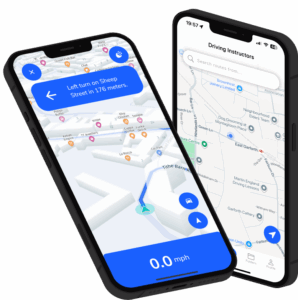
Since driving test routes are not always the same, using a driving test route app can be a game-changer in your preparation. These apps provide access to real test routes, helping you get familiar with the routes you’re most likely to encounter during your test, no matter how they change.
For example, RouteBuddy is an excellent tool for learning driving test routes. It provides:
- Real test routes based on the most current data
- Turn-by-turn navigation that helps you follow the exact roads you’ll encounter
- Updates whenever routes change due to new developments or roadworks
By using a test routes app like RouteBuddy, you’ll always have access to up-to-date routes and feel more confident, even if test routes change unexpectedly.
How Can I Practise for Changing Test Routes?
While it’s true that test routes can change, there are ways to ensure you’re always prepared, no matter what.
1. Regular Practice
The best way to prepare for test routes, whether they change or not, is to practise regularly. Familiarity with different routes and road types, from residential streets to dual carriageways, will help you feel prepared for anything. Even if you’re practising a new test route, your skills will transfer and help you adapt.
2. Use a Test Routes App
Apps like RouteBuddy provide up-to-date test routes, ensuring that you’re practising on the most current routes available. This helps learners feel confident, even if roads and routes change at the last minute due to roadworks or other factors.
3. Focus on Test Skills, Not Just the Route
While knowing the driving test route can help, it’s crucial to also focus on test skills. This includes:
- Observations: Mirror checks, checking blind spots, etc.
- Control: Maintaining appropriate speed, smooth gear shifts, and proper handling of the vehicle
- Awareness: Recognising and responding to potential hazards
- Confidence: Handling stress and driving independently
The DVSA states that your ability to drive safely and confidently is just as important as knowing the test route. For more on the skills required, check out 👉 driving test skills.
What If I Can’t Practise the Exact Route?
If you’re unable to practise the exact test route, don’t worry, you’re still on track. Here’s why:
- Learn the Area: If you can’t drive the exact test route, focus on driving around the area and familiarise yourself with key landmarks, junctions, and road types.
- General Practice: Practise common driving tasks (e.g., roundabouts, junctions, lane changes, parking) that will help you no matter what route you’re driving on.
- Confidence Building: The more you drive on varied roads, the more confident and adaptable you’ll become, whether or not the exact route is familiar.
Quick FAQs: Are Driving Test Routes Always the Same?
Are driving test routes always the same in every area?
No, test routes vary by test centre. Some routes may change due to roadworks, new developments, or updated traffic regulations.
Can I practise driving test routes on my own?
Yes, practising test routes outside of lessons is encouraged. RouteBuddy helps you practise the real routes on your own.
What should I do if the test route changes before my test?
Don’t worry! Stay calm and confident. Familiarise yourself with the area, practise key driving skills, and use a test routes app to stay up to date.
Final Thoughts
Driving test routes are an essential part of your test preparation, but they’re not always set in stone. Routes can change due to roadworks, new developments, or regulatory updates. Fortunately, tools like RouteBuddy ensure that you can always practise up-to-date routes, helping you prepare with confidence, regardless of route changes.
By combining route practice with general driving skills, you can confidently handle any challenge on test day and increase your chances of passing your driving test with flying colours.