

Driving in Sevenoaks, a town in Kent surrounded by both busy commuter roads and rural countryside, gives learners a varied driving experience. The Sevenoaks Driving Test Routes are designed to test your ability to handle roundabouts, narrow residential streets, country lanes, and faster A-roads. This guide answers 20 essential FAQs about the Sevenoaks Test Centre, helping you prepare calmly and confidently for your driving test.
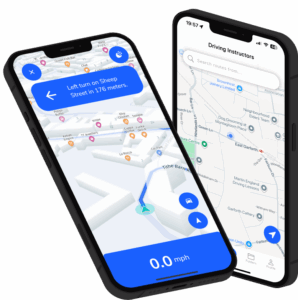

👉 Practise the Sevenoaks Driving Test Routes with RouteBuddy!
20 FAQs About the Sevenoaks Driving Test Routes
1. Where is the Sevenoaks Test Centre located?
📍 45 Argyle Road, Sevenoaks, TN13 1HJ. The test centre is located close to residential areas and busy local roads, offering quick access to a variety of driving environments.
2. What types of roads will I encounter on the Sevenoaks Driving Test Routes?
Expect a mix of:
- Residential roads with parked cars
- Busy roads near the town centre
- Rural country lanes around Sevenoaks
- A-roads such as the A21 and A25
- Roundabouts and traffic-light junctions
3. What challenges are common on Sevenoaks routes?
Learners often face:
- Narrow country roads with bends
- Busy commuter traffic during peak hours
- Multi-lane roundabouts
- Changing speed limits between urban and rural roads
4. What landmarks might I pass during the test?
You may drive past:
- Sevenoaks town centre
- Sevenoaks Railway Station
- Knole Park
- Bat & Ball area
5. What are the typical speed limits on Sevenoaks Driving Test Routes?
- 20–30 mph in residential and school areas
- 40 mph on larger local roads
- 50–60 mph on A-roads and rural sections
Always watch carefully for changing speed signs.
6. What types of junctions will I encounter?
Expect:
- T-junctions on residential streets
- Mini-roundabouts
- Traffic-light-controlled crossroads
- Larger roundabouts near A-roads
7. Are there difficult roundabouts on Sevenoaks routes?
Yes, particularly around the A25 and roads connecting to the A21.
Read more: DVSA Roundabout Guidelines
You may be asked to perform:
- Bay parking
- Parallel parking
- Pull up on the right and reverse
- Reverse into a side road
- Emergency stop
Read more: DVSA Manoeuvres
9. How should I handle busy roads in Sevenoaks?
Be prepared for:
- Heavy commuter traffic
- Pedestrian crossings near shops and schools
- Cyclists on narrow roads
- Stop-start traffic during rush hour
Read more: DVSA Road Safety
10. Are dual carriageways included in the Sevenoaks test routes?
Yes. Some routes may include faster roads connected to the A21, where lane discipline and safe merging are important.


11. Will I need to perform a manoeuvre during the test?
Yes. The examiner will ask you to complete one manoeuvre during the test.
12. How long is the Sevenoaks driving test?
The practical driving test normally lasts around 40 minutes.
13. Can I practise the Sevenoaks Driving Test Routes before my test?
Absolutely. Practising local roads helps reduce nerves and improve confidence. RouteBuddy allows learners to practise the Sevenoaks Driving Test Routes with turn-by-turn guidance.
14. How should I approach rural roads near Sevenoaks?
- Reduce speed on narrow lanes
- Be prepared for blind bends
- Watch for horses, cyclists, and tractors
- Keep good positioning on country roads
15. What common mistakes do learners make in Sevenoaks?
Common faults include:
- Hesitating at busy junctions
- Speeding on open country roads
- Poor mirror checks
- Incorrect positioning at roundabouts
16. What should I bring to the driving test?
You should bring:
- Your provisional licence
- Your theory test pass certificate
- Glasses or contact lenses if needed
- A roadworthy car with L plates
17. How does the weather affect the Sevenoaks routes?
Rain can make rural roads slippery.
Fog and low sun may reduce visibility, especially on open A-roads.
18. How should I deal with cyclists, buses, and larger vehicles?
- Give cyclists plenty of room
- Be patient behind buses and tractors
- Check mirrors frequently
- Only overtake when fully safe
19. What happens if I fail the Sevenoaks driving test?
The examiner will explain your faults at the end of the test. You can then practise the areas that need improvement before rebooking.
Using RouteBuddy can help you revisit difficult Sevenoaks Driving Test Routes before your next attempt.
20. How do I book or change my Sevenoaks driving test?
You can book or manage your test using the DVSA online booking service
Conclusion
The Sevenoaks Driving Test Routes combine busy town driving, residential streets, and challenging rural roads, making them an excellent preparation for real-world driving. By practising regularly and using RouteBuddy to become familiar with the local routes, you can build confidence and improve your chances of passing your test.
Stay calm, stay focused, and keep practising. 🚗