

Feeling nervous before a driving test is completely normal. Many learner drivers worry about unfamiliar roads, unexpected junctions, or missing directions during the exam. This is where driving test routes become extremely helpful. By practising with driving test route maps, learners gain a clearer understanding of the roads they may encounter during the practical test.
Knowing the layout of test areas helps drivers feel calmer and more prepared. Instead of worrying about where to turn next, learners can focus on safe driving and proper observations. In this guide, we’ll explore seven ways driving test route maps help reduce test anxiety and improve overall preparation.

1. Driving Test Routes Make Test Areas Familiar
One of the biggest causes of anxiety is driving somewhere unfamiliar. When learners practise using driving test route maps, they become familiar with the roads surrounding the test centre.
This familiarity helps drivers recognise:
- common junctions
- busy roundabouts
- speed limit changes
- pedestrian crossings
Instead of facing surprises during the test, learners already understand how the area works. The UK practical driving test is designed to assess real driving ability in everyday conditions, which you can learn more about on the official DVSA page explaining What happens during the driving test.
2. Real Routes Help Learners Anticipate Difficult Sections
Another benefit of driving test route maps is the ability to identify challenging areas ahead of time. Many test routes include complex roundabouts, narrow residential streets, or multi-lane junctions.
Practising these areas repeatedly allows learners to:
- Prepare lane positioning early
- recognise tricky roundabouts
- Practice correct speed control
When learners expect difficult sections, they feel calmer when approaching them during the test.
3. Test Routes Build Muscle Memory
Confidence often comes from repetition. When drivers practise the same roads several times, their reactions become automatic.
Using driving test route maps allows learners to practise routes consistently. Over time, this builds muscle memory for tasks such as:
- signalling correctly
- positioning at junctions
- choosing the correct lane
- reacting to traffic conditions
This repetition helps learners drive more naturally, which reduces stress during the real test.
4. Route Maps Help Learners Focus on Driving Skills
Many learners worry about directions during the driving test. If you don’t know where the road leads, it can distract you from important driving skills.
However, when using driving test route maps, learners already know the area. This allows them to focus on key skills such as:
- observation
- hazard awareness
- smooth braking
- proper mirror checks
The DVSA explains that the driving test assesses your ability to drive safely and independently, not simply your knowledge of a specific route. You can read more about this in the DVSA guide to independent driving during the test.
5. Driving Test Route Maps Reduce Fear of the Unknown
Uncertainty often increases anxiety. Many learners fear the unexpected during their driving test.
Using driving test route maps reduces this fear. Learners can see where routes usually go and understand the general layout of test areas.
Even if the examiner selects a slightly different route, drivers will still recognise the surrounding roads and landmarks. This familiarity provides reassurance and helps maintain confidence during the test.
6. Route Maps Help Practise Real Test Conditions
Another advantage of driving test route maps is the ability to simulate real test conditions. Learners can practise routes as if they were taking the actual test.
This includes practising:
- independent driving sections
- following road signs
- navigating busy traffic areas
Practising with driving test route maps allows learners to build confidence in handling real situations they may face during the exam.
7. Test Routes Encourage Regular Practice
Consistency is key when learning to drive. The more often you practise, the more confident you become.
Because driving test routes provide structured routes, they make it easier to practise regularly. Learners can repeat routes multiple times and track their progress over time.
Frequent practice helps drivers feel relaxed and prepared when test day arrives.
How RouteBuddy Helps You Practise Driving Test Routes
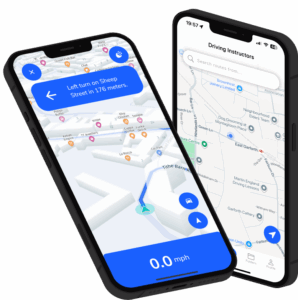
Modern technology makes practising driving test route maps even easier. Apps like RouteBuddy allow learners to practise real test routes with turn-by-turn navigation.
Key benefits of RouteBuddy include:
- Access to real driving test routes across the UK
- Turn-by-turn navigation similar to a sat-nav
- Practice for independent driving sections
- Routes updated using AI and instructor submissions
RouteBuddy works with Apple CarPlay and Android Auto, which allows learners to practise routes safely while driving. Instead of relying only on memory, learners can follow real routes and become familiar with test areas before the exam.
Practising with tools like RouteBuddy alongside lessons can significantly increase confidence when preparing for the practical test.
Quick FAQs:
Are test route maps the exact routes used in tests?
They represent routes commonly used around test centres, but examiners may choose different variations.
Do test routes guarantee a pass?
No. They help learners prepare, but safe driving skills remain the most important factor.
Can I practise route maps without an instructor?
Yes. Many learners practise outside lessons using route apps or with family members supervising.
Final Thoughts
Driving tests can feel intimidating, but preparation makes a huge difference. Practising with driving test route maps helps learners understand test areas, anticipate challenges, and drive with greater confidence.
By familiarising yourself with the roads around your test centre and practising regularly, you reduce anxiety and improve your readiness for the exam.
Combining lessons with tools like RouteBuddy and consistent route practice gives learners the confidence needed to approach test day calmly and perform at their best.