

Preparing for your driving test can be nerve-wracking, but there’s one key way to boost your confidence: knowing your road test route inside and out. Being familiar with the specific routes examiners use helps reduce anxiety and makes the driving test feel like just another drive.
In this guide, we’ll walk you through 7 tips for practising your road test route confidently and show you how using a road test route app like RouteBuddy can support your preparation.

7 Tips for Practising the Road Test Route
1. Familiarise Yourself with the Route in Advance
The first step in feeling confident with your road test route is to get familiar with it before your test day. A great way to do this is by using a driving test route app like RouteBuddy, which gives you access to real test routes used by examiners.
Practising in advance helps you become familiar with:
- junctions
- roundabouts
- traffic flow
- lane changes
By driving these routes multiple times, you’ll be able to anticipate what’s coming, which can help calm nerves and prevent surprises on test day. The DVSA recommends that learners be familiar with their test routes to reduce stress, as mentioned in what happens during the driving test.
2. Start Practising with a Driving Instructor
Before you attempt the road test route independently, it’s essential to get instruction from a qualified driving instructor. They can guide you through specific parts of the route that you may struggle with, like:
- tricky junctions
- multi-lane roundabouts
- pedestrian crossings
An instructor will also help you develop good driving habits and test-specific techniques, such as checking your mirrors and maintaining lane discipline.
3. Practise in Different Conditions
Don’t limit yourself to practising your road test route only during ideal conditions. Practise in different weather, at different times of the day, and during varying traffic levels. By doing so, you will be better prepared to adapt to changes on test day.
For instance, night-time driving or dealing with adverse weather conditions might affect visibility or road markings. The more varied your practice, the more confident you will feel in all situations.
4. Focus on Specific Problem Areas
Every learner has different areas they find difficult. While practising your road test route, pay special attention to sections where you tend to make mistakes. Common problem areas include:
- Complex roundabouts
- Narrow lanes or sharp bends
- Changing speed limits
Use your road test route app to repeat sections you find challenging, gradually improving your reaction time and overall control. The DVSA stresses the importance of staying calm under pressure and anticipating hazards during your driving test, as outlined in what happens during the driving test.
5. Take Mock Tests to Simulate the Real Test Experience
Once you’re comfortable with the route, simulate the real test environment by taking mock tests. You can ask your instructor to guide you through a mock test on your road test route, or, if you prefer to practise independently, you can use RouteBuddy for real-time navigation and simulate the full test experience.
Mock tests help you get used to the pressure of the actual test, build your confidence, and allow you to practise time management for independent driving.
6. Practise Independent Driving with RouteBuddy
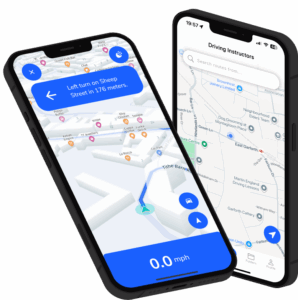
Independent driving is a significant part of the practical test, where you follow sat-nav instructions or traffic signs without guidance from your instructor. Using a road test route app like RouteBuddy allows you to practise independent driving on the actual routes used by examiners.
With RouteBuddy, you can:
- Practise real routes with turn-by-turn navigation
- Improve your decision-making and route-following ability
- Familiarise yourself with sat-nav-based driving
Practising in real-world conditions will make the independent driving section of your test feel much more manageable.
7. Stay Calm and Confident
Confidence is key when it comes to driving test routes. If you’ve practised regularly, know the route inside and out, and feel prepared, you’ll have a much better chance of passing. Remember:
- Keep a steady pace
- Observe the road constantly
- Stay aware of road signs and signals
Your road test route app is designed to help you stay calm and focused. If you know the route, you won’t need to worry about where you’re going, leaving you with more mental energy to focus on driving safely and confidently.
How RouteBuddy Helps You Practise Road Test Routes Confidently
RouteBuddy is the perfect app to help you master your road test route confidently. Here’s why:
- Real Test Routes: Access to real test routes used by examiners.
- Turn-by-Turn Navigation: Follow routes with real-time, step-by-step instructions, just like a sat-nav.
- Independent Driving Practice: Practise the independent driving section with sat-nav directions.
- Up-to-Date Routes: Routes are updated regularly to reflect real-time changes in road conditions.
RouteBuddy ensures that you’re always practising the right routes, reducing stress and building confidence in the real test environment.
Quick FAQs on Practising Road Test Routes
How often should I practise road test routes?
Aim to practise regularly, focusing on sections that challenge you the most. Practise multiple times a week if possible.
Can I use a road test route app during the actual test?
No, RouteBuddy and other apps are only for practice before the test, not during it.
How can I get feedback on my road test route practice?
Use RouteBuddy’s progress-tracking features to measure your performance and adjust your practice accordingly.
What if I don’t have access to a driving instructor?
A test routes app like RouteBuddy can still help you prepare effectively on your own.
Final Thoughts
Practising your road test route confidently is essential to test-day success. By using a road test route app like RouteBuddy, you’ll have a clear, reliable practice tool that builds your confidence, sharpens your skills, and helps you feel test-ready.
When combined with regular lessons, practising real test routes allows you to approach test day with the confidence and clarity you need to succeed.