

Driving test routes are the real-world paths used in practical driving tests across the UK. With over 300 test centres, each with multiple routes, it’s essential to know these routes as they play a vital role in your preparation. Many learners wonder what driving test routes are and how they can impact their chances of passing. Let’s break it down.
In this guide, we’ll discuss why learning your driving test routes is essential, how it can reduce stress and boost confidence, and how apps like RouteBuddy can help you get test-ready.

What Are Driving Test Routes?
Driving test routes are specific paths that examiners take learners through during the practical driving test. These routes are designed to test your ability to drive safely on a variety of road types, including busy city streets, residential roads, dual carriageways, and roundabouts. Each test centre has its own set of routes, which are updated regularly to reflect changes in local conditions, such as roadworks, new traffic patterns, or sat-nav integration.
According to the DVSA, these routes ensure that all learners are tested on a wide range of driving skills, including lane discipline, junctions, and complex traffic scenarios. For more detailed information on the structure of the test, refer to the DVSA’s official page on what happens during the driving test.
Why Are Driving Test Routes Important for Learners?
Knowing driving test routes is one of the most beneficial preparations you can make for your test. Here’s why:
1. Reduces Test Day Stress
Familiarity with your test routes reduces stress on the day of the exam. When you know exactly where you need to go, what junctions to expect, and where tricky roundabouts are, you’re less likely to be thrown off by last-minute surprises. The more comfortable you are with these routes, the more relaxed you’ll feel. It helps you manage your nerves, which is crucial for performing well under pressure.
You can read about managing test-day stress in the DVSA’s section on driving test nerves.
2. Builds Confidence in Your Driving
Knowing your routes allows you to focus on your driving skills rather than trying to figure out where to go. You’ll have the opportunity to concentrate on smooth gear changes, managing speed, and keeping a safe distance from other vehicles. Confidence in your ability to follow a route accurately boosts your overall performance.
It’s essential to build confidence before your test. The DVSA provides more insight into building test-day confidence.
3. Helps with Lane Discipline and Junction Handling
Navigating through your local routes will allow you to practise lane discipline, merging, and handling busy junctions, some of the most commonly assessed skills during a driving test. Examiners are keen to see how you manage lane changes, especially when moving through complex intersections or roundabouts.
For more information about the types of junctions covered in the test, see the DVSA’s guide to driving on different types of roads.
4. Enables Real-Time Adaptation
Sometimes, roads are blocked, traffic conditions change, or road signs become unclear. Having practised on real driving test routes means you’ll have a mental map of alternative routes and ways to stay calm and in control, even if things don’t go exactly as planned.
How to Prepare for Driving Test Routes
Knowing how to prepare for driving test routes is just as important as knowing the routes themselves. Here are a few tips on how to best utilise your time:
1. Practice the Routes Regularly
The more you drive on the actual test routes, the more familiar you’ll become with them. Regular practice is key to building muscle memory, especially for tricky areas like roundabouts, tight turns, and lanes with multiple exits. Aim to practise both during the day and at night, as road conditions can differ.
If you’re wondering how long to practise, the DVSA recommends frequent practice in the run-up to the test. For more info on preparing for the test itself, visit the DVSA’s official guidance on how to prepare for your driving test.
2. Use RouteBuddy for Real-Test Route Practice
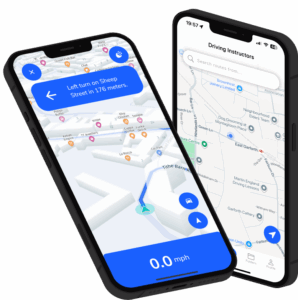
One of the best ways to prepare for your test is by using technology to practise real test routes. RouteBuddy offers turn-by-turn navigation for real driving test routes in your area, allowing you to rehearse in a way that mimics the actual test conditions.
RouteBuddy is not just for finding your way; it’s a valuable tool for learning specific road layouts, junctions, and roundabouts you’ll encounter on your driving test. It helps you build confidence by following real routes used by examiners.
This app combines AI, instructor feedback, and real-time updates to ensure the routes you practice are accurate and up-to-date. This tool is especially helpful for learners who want to know exactly where they’re going before the test.
3. Focus on the Test’s Key Areas
When practising, it’s essential to focus on the key areas that will be assessed, such as:
- Lane discipline (staying in the correct lane at junctions or roundabouts)
- Roundabout navigation (handling the approach, entry, and exit)
- Pedestrian crossings and understanding when to stop
- Reversing and performing manoeuvres like parking or pulling up on the right
RouteBuddy’s real-time navigation helps you become familiar with these crucial aspects by showing you the roads where these skills will be tested. Practising these elements repeatedly in real driving conditions will help you develop the muscle memory needed for the test.
4. Use Your Instructor’s Guidance
While route practice is important, it’s equally essential to work with your instructor to identify areas where you need improvement. Your instructor can provide feedback on how to navigate specific routes and offer tips on handling complex intersections. Regular lessons combined with route practice on your own will make a huge difference.
5. Take Mock Tests
Once you feel comfortable with your routes, it’s time to simulate test conditions. Ask your instructor to conduct a mock test on one of your test routes, so you can experience the pressure of a timed test with an examiner in the car. This will help you get used to the test structure and fine-tune any last-minute areas that need attention.
How Technology Can Help in Your Test Preparation
We’ve discussed some great ways to physically prepare, but don’t forget the benefits of technology in today’s world of learning. Online resources, apps like RouteBuddy, and even driving simulators can speed up your preparation by offering targeted practice.
By using RouteBuddy to familiarise yourself with your driving test routes, you reduce surprises and make sure you’re fully prepared when test day arrives. Technology lets you study smarter, not harder.
Quick FAQs on Driving Test Routes
1. Can I practise the routes before my test?
Yes, practising real test routes is a great way to prepare.
2. Does practising on RouteBuddy really help?
Yes, RouteBuddy provides turn-by-turn navigation on real test routes, making it easier to familiarise yourself.
3. How often should I practise the routes?
Aim to practise regularly, focusing on areas where you feel less confident.
Final Thoughts: Driving Test Routes
Knowing what driving test routes are and practising them regularly is a critical part of your preparation. Familiarity with these routes helps you build confidence, understand the examiner’s expectations, and feel more comfortable on test day.
With the support of RouteBuddy for practising real-world routes, you’ll feel calm, collected, and test-ready when the time comes. Technology plays a huge role in modern driving test preparation, and with this app, you can ensure your practice is on point.
Good luck, and remember: consistency and confidence are key!