

If you’ve just failed a driving test, it can feel disappointing, frustrating, and even embarrassing — but it’s far more common than most learners realise. Thousands of people experience a failed driving test every week across the UK, and many of them go on to pass the very next time.
It’s important to understand that a failure does not mean you’re a bad driver. It simply means there are a few areas that need more time, practice, or consistency.

What a Failed Driving Test Really Means
When learners hear the words failure, they often assume they’ve done something terrible. In reality, most failures stem from minor issues such as hesitation, observation errors, or positioning errors, not dangerous driving.
According to DVSA guidance, examiners are assessing whether you can drive safely and independently, not perfectly. You can read more about how tests are marked here:
Understanding this helps take the sting out and puts things back into perspective.
Take Time to Read the Feedback Properly
After a failed driving test, the examiner gives clear feedback explaining what went wrong. This feedback is one of the most valuable tools you’ll get during your learning journey.
Instead of focusing on the failure itself, look for patterns:
- Was it a junction observation?
- Lane discipline?
- Roundabouts?
- Speed awareness?
- Hesitation?
These patterns tell you precisely what to work on next.
Why Many Learners Pass After Failing Once
It might surprise you, but a failed driving test often helps learners improve faster. That first test experience removes fear of the unknown. You know the format, the timing, and what the examiner is looking for.
Once that pressure is gone, practice becomes calmer and more focused — which is why many learners pass shortly after a failed driving test.
Using RouteBuddy to Improve After a Failed Driving Test
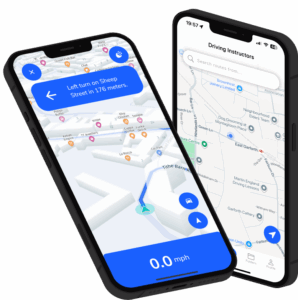
One of the best ways to recover is to focus on route practice. This is where RouteBuddy becomes especially useful.
RouteBuddy allows learners to practise real, test-style routes with turn-by-turn navigation. If your driving test involved tricky roundabouts, awkward junctions, or busy roads, repeating those environments helps turn mistakes into confidence.
Instead of random driving, you’re practising with purpose.
Book Your Driving Lessons with Let’s Instruct
After a failure, structured lessons make a huge difference. A qualified instructor can help break down your feedback and turn it into clear action steps.
If you’re based in or around Northamptonshire, you can book your driving lessons with Let’s Instruct. Their instructors support learners who’ve failed their driving test by focusing on weak areas, rebuilding confidence, and preparing for the next attempt.
How Long Should You Wait After a Failed Driving Test
The DVSA requires a minimum of 10 working days before you can retake your practical test. This time is best spent addressing the issues that caused the failed driving test, rather than rushing back in.
Use those days wisely by:
- Revisiting problem areas
- Practising full test-length drives
- Driving at different times of day
- Focusing on calm decision-making
Common Emotional Reactions and Why They’re Normal
A failed driving test can knock confidence, especially if you felt ready. Feeling upset, annoyed, or deflated is entirely normal. What matters is how you respond next.
Try not to:
- Compare yourself to others
- Rush into another test without preparation
- Let one result define your ability
Most confident drivers on the road today once failed their driving test.
Turning a Failure Into Progress
The difference between learners who struggle and those who succeed after failure lies in their approach to reflection. Each subsequent drive should have a clear goal.
Ask yourself:
- What will I focus on today?
- What did I improve since last time?
- What still needs work?
That mindset turns disappointment into momentum.
Final Thoughts
A failure is not the end of your journey; it’s part of it. With proper guidance, focused practice, and tools like RouteBuddy, many learners become stronger drivers through that experience.
Use the feedback, practise smart, and take your time. The pass will come, and when it does, it will feel even better knowing how far you’ve come.