

Driving along the Pinner Driving Test Routes comes with its own set of challenges, from suburban streets to busy roundabouts and narrow lanes. To help you succeed, we’ve compiled 20 in-depth FAQs covering the areas you’ll encounter and practical advice for passing.
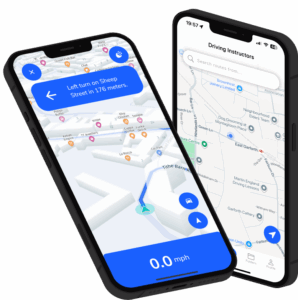

👉 Practise the Pinner Driving Test Routes with RouteBuddy!
20 FAQs About the Pinner Driving Test Routes
1. Where is the Pinner Driving Test Centre?
📍 221 Tolcarne Drive, Pinner, HA5 2DZ. This centre is located in a suburban area of North West London and serves as the starting and finishing point for the test.
2. What types of roads are included in the Pinner Driving Test Routes?
Expect a combination of residential streets, busy junctions, major A-roads, and roundabouts. The route tests your ability to manage suburban driving, parking, and complex junctions. For more details, see the official DVSA practical driving test guide.
3. Are there specific areas of Pinner to focus on when practising?
Key areas include:
- Tolcarne Drive and surrounding residential streets
- Pinner town centre for tight junctions
- A404 Harrow Road and feeder routes
- Local roundabouts such as Grim’s Dyke Road junctions
4. What common manoeuvres are tested?
- Parallel parking in quiet residential streets
- Bay parking near commercial areas
- Three-point turns in narrow streets
- Emergency stop on quieter roads
5. How should I handle Pinner roundabouts?
Roundabouts on the A404 and feeder roads can be multi-lane. Approach in the correct lane, signal early, and check mirrors to avoid errors.
6. What speed limits should I be aware of?
- 20–30 mph on residential streets (e.g., Tolcarne Drive)
- 40–50 mph on arterial roads
- 60 mph on main dual carriageway sections when conditions allow
Always adjust your speed for traffic and road conditions.
7. Are there pedestrian crossings on the Pinner Driving Test Routes?
Yes, crossings are common in Pinner town centre and near schools. Always check carefully and give way to pedestrians.
8. How can I practise the Pinner Driving Test Routes safely?
Use RouteBuddy to simulate the Pinner Driving Test Routes with GPX-guided navigation. It allows repeated practice in a realistic suburban environment.
👉 Practise the Pinner Driving Test Routes with RouteBuddy!
9. Are there any tricky junctions or blind spots?
Narrow junctions, especially near Pinner High Street and Grim’s Dyke Road, require careful observation. Watch for parked cars and be aware of limited visibility.
10. How busy are the roads during test times?
Suburban streets may be quiet early in the day, but Pinner town centre and feeder roads like the A404 can become busy during peak hours.
11. What is the best time of day to take the test?
Mid-morning or early afternoon is ideal to avoid rush hour traffic on arterial routes.
12. What should I bring on test day?
- Provisional licence
- Theory test pass certificate
- Glasses/contact lenses if required
- Roadworthy car with L-plates
Reference: DVSA – What to take to your test
13. How long is the test?
Approximately 40 minutes, covering suburban streets, roundabouts, arterial roads, and essential manoeuvres.
14. How do I deal with traffic and cyclists?
Pinner has moderate traffic and active cycling routes. Maintain safe distances and observe carefully at junctions and roundabouts.
15. What are the most common mistakes on the Pinner Driving Test Routes?
- Hesitating at roundabouts
- Incorrect lane selection on feeder roads
- Misjudging parking spaces in town streets
16. Are there any dual carriageway sections?
Yes, parts of the A404 may be included in the test. Practice lane discipline and speed control for higher-speed sections.
17. How does the weather affect the test?
Wet or foggy conditions are common in London. Adjust your driving for reduced visibility and slippery surfaces, especially on suburban roads.
18. How should I practise manoeuvres?
Use quieter residential streets, such as Tolcarne Drive, for repeated practice of three-point turns, bay parking, and parallel parking. RouteBuddy provides guidance for all manoeuvres.
19. What happens after the test?
🎉 Pass: Apply online for your full driving licence
📋 Fail: Review the examiner’s feedback and focus on weak areas using RouteBuddy
20. Where can I get official guidance?
For authoritative information on UK driving tests, refer to the DVSA practical driving test guidance.
Sample Guide of the Pinner Driving Test Routes
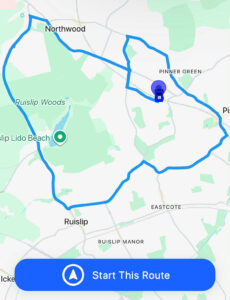
Starting Point: Pinner Driving Test Centre
Location: 221 Tolcarne Drive, Pinner, HA5 2DZ
1. Exit the test centre via Tolcarne Drive
Lane: Keep to the left lane.
Speed Limit: 20 mph near the test centre.
Tip: This residential area can be tight with parked cars—use good clutch control and be mindful of pedestrians.
2. Head towards Joel Street
Lane: Stay in the left lane for a smooth merge.
Speed Limit: 30 mph.
Tip: Anticipate light traffic and maintain awareness of cyclists.
3. Proceed along Pinner Road
Lane: Keep to the left lane.
Speed Limit: 30 mph.
Tip: Be aware of buses and frequent pedestrian crossings.
4. Continue onto Rickmansworth Road
Lane: Stay in the left lane when approaching the junction.
Speed Limit: 40 mph.
Tip: Increase your following distance, especially around bends or near larger vehicles.
5. Turn onto The Avenue
Lane: Keep to the right lane before entering The Avenue.
Speed Limit: 30 mph.
Tip: Be aware of narrow turns and oncoming traffic—performing mirror checks is key here.
6. Follow Duck’s Hill Road
Lane: Stay central in your lane.
Speed Limit: 40 mph.
Tip: The road passes through wooded areas—watch for wildlife and shadows that can affect visibility.
7. Head towards Bury Street
Lane: Keep to the left.
Speed Limit: 30 mph.
Tip: Maintain a consistent speed; this road may have light traffic from nearby residential areas.
8. Proceed to Eastcote Road
Lane: Remain in the left lane.
Speed Limit: 30 mph.
Tip: Approach the junction carefully—visibility can be limited near bends.
9. Continue onto High Road Eastcote
Lane: Stay in the left lane.
Speed Limit: 30 mph.
Tip: Expect pedestrian activity near local shops; reduce speed accordingly.
10. Drive along Field End Road
Lane: Keep central.
Speed Limit: 30 mph.
Tip: Use your mirrors frequently, as traffic can be dense during peak hours.
11. Proceed onto Bridle Road
Lane: Stay to the left.
Speed Limit: 30 mph.
Tip: Be cautious of parked vehicles narrowing your path—anticipate potential obstructions early.
12. Continue along Eastcote Road
Lane: Remain in the left lane.
Speed Limit: 30 mph.
Tip: The road curves gently—maintain smooth steering and consistent speed.
13. Join Marsh Road
Lane: Stay central for better lane positioning.
Speed Limit: 30 mph.
Tip: Check both mirrors as vehicles may be merging from side streets.
14. Follow Bridge Street
Lane: Keep to the left.
Speed Limit: 30 mph.
Tip: Watch for traffic lights and anticipate changes to avoid harsh braking.
15. Proceed along Elm Park Road
Lane: Stay to the left.
Speed Limit: 30 mph.
Tip: Be aware of oncoming vehicles—this section can feel slightly narrower.
16. Continue onto Pinner Hill Road
Lane: Keep left when approaching the junction.
Speed Limit: 30 mph.
Tip: Use controlled acceleration, especially when climbing uphill sections.
17. Head to Potter Street
Lane: Stay in the left lane.
Speed Limit: 30 mph.
Tip: Be careful at intersections—visibility can be reduced by hedges and bends.
18. Proceed along Hillside Road
Lane: Maintain a central lane position.
Speed Limit: 30 mph.
Tip: Anticipate oncoming traffic; this is a quiet residential stretch with occasional parked cars.
19. Continue onto Northwood Way
Lane: Keep in the left lane.
Speed Limit: 30 mph.
Tip: This area connects to main routes—be aware of merging traffic.
20. Head back towards Joel Street
Lane: Stay left as you prepare to merge.
Speed Limit: 30 mph.
Tip: Use your mirrors and signal early—vehicles may approach quickly from both directions.
21. Return to Tolcarne Drive
Lane: Keep to the left.
Speed Limit: 20 mph.
Tip: Ease off the accelerator and maintain good control as you approach the test centre.
22. Arrive back at Pinner Driving Test Centre
Lane: Stay right when entering the car park.
Speed Limit: 20 mph.
Tip: Park carefully within the lines—your examiner may request a bay park to conclude the test.
Conclusion: Are You Ready to Conquer the Pinner Driving Test Routes?
The Pinner Driving Test Routes challenge learners with a mix of residential streets, busy junctions, and arterial roads. Practising with RouteBuddy helps you build confidence and familiarity with the route.
Start your preparation today with Routebuddy and approach your Driving Test Routes with confidence!