

Preparing for a driving test is about more than completing lessons and hoping everything comes together on the day. Learners need confidence, experience, and the ability to handle different road situations safely. Driving test routes can help learners prepare by allowing them to practise around their chosen test centre, become familiar with local roads, and focus on the areas where they need the most improvement.
However, the aim is not to memorise a route. The best preparation comes from building the skills, knowledge, and confidence needed to drive safely in any situation. In this guide, we explore how driving test routes work, how to use them effectively, and how they can support a smarter approach to practical test preparation.


What are driving test routes?
Driving test routes are suggested practice routes around a driving test centre that learners can use when preparing for their practical exam.
These routes usually include a variety of roads and situations, including:
- Residential streets
- Main roads
- Roundabouts
- Complex junctions
- Dual carriageways
- Different speed limit areas
- Busier traffic locations
The DVSA does not publish official driving test routes. Examiners assess whether learners can drive safely and independently in different situations rather than whether they can follow a specific route.
More information about the practical driving test can be found through the official DVSA driving test guidance.
Instead of trying to predict the exact route of a test, learners can use route practice to become more familiar with the types of roads and situations they may encounter.
Why are driving test routes useful for learners?
One of the biggest benefits of practising driving test routes is familiarity.
Many learners feel nervous before their test because they are unsure what to expect. Driving on unfamiliar roads while being assessed can add extra pressure.
Practising around the test centre can help learners become more comfortable with:
- Challenging junctions
- Different road layouts
- Local speed limits
- Busy areas
- Common traffic patterns
This familiarity allows learners to focus more on making safe decisions rather than worrying about their surroundings.
However, driving test routes should be viewed as a preparation tool, not a shortcut. The aim is to develop confidence and experience, not memorise where an examiner may take you.
Can you memorise a driving test route?
No. Learners should not rely on memorising a specific driving test route.
The practical driving test is designed to assess independent driving skills. Learners need to show that they can observe the road, make safe decisions, and respond appropriately to different situations.
The DVSA explains what happens during the practical driving test and the areas learners are assessed on in its official driving test guidance.
Instead of memorising roads, learners should focus on developing skills that apply everywhere, including:
- Hazard awareness
- Observation
- Planning ahead
- Safe speed choices
- Independent decision-making
A confident driver should be able to adapt, even when faced with unfamiliar roads.
How driving test routes make practice more effective
Simply driving around for an hour without a clear purpose does not always help learners improve as quickly as possible.
Structured practice allows learners to focus on specific areas and make each session more valuable.
Challenging areas
Learners can identify locations that require more planning, such as complex junctions, roundabouts, or busy roads.
Independent decision-making
Practising unfamiliar sections encourages learners to think for themselves rather than relying on instructor prompts.
Road awareness
Repeated experience of different situations helps learners improve their ability to recognise hazards and plan.
Confidence building
The more experience learners gain, the more comfortable they become dealing with different situations.

How to practise driving test routes effectively
Using driving test routes effectively is about quality rather than simply completing as many routes as possible.
Practise a variety of situations
Learners should experience different roads and conditions, including:
- Quiet residential areas
- Busy town centres
- Different traffic levels
- Different weather conditions
- Challenging junctions
This helps learners become more adaptable and confident drivers.
Review progress after each drive
After practising, learners should reflect on:
- What went well?
- What situations felt difficult?
- What skills need more attention?
Understanding mistakes is an important part of improving.
Combine practice with learning
Driving ability develops through a combination of practical experience, feedback, and understanding.
Alongside time behind the wheel, learners can benefit from continuing to develop their knowledge, confidence, and understanding outside of lessons. Additional learning resources can help reinforce important concepts and support progress between driving sessions.
How driving test routes can help with test nerves
Test nerves are common, even for learners who are driving well.
Many learners worry about:
- Facing unfamiliar roads
- Making mistakes under pressure
- Not knowing what to expect
Practising around the test centre can help reduce some of this uncertainty.
When learners have already experienced similar roads, they can focus more on their driving rather than worrying about their surroundings.
Confidence does not come from knowing exactly what will happen during a test. It comes from being prepared to handle different situations safely.
The importance of support throughout the learning journey
Every learner develops differently.
While practical driving experience is essential, becoming a confident driver also involves understanding mistakes, building good habits, and having the right support throughout the learning process.
Some learners may need more practice with specific driving skills, while others may benefit from extra guidance with understanding, confidence, or preparing for the challenges of independent driving.
Learning does not stop when a lesson ends. The most effective learners continue developing between sessions by reviewing what they have learned, understanding areas for improvement, and building stronger habits over time.
A well-rounded approach combines:
- Professional driving instruction
- Purposeful practice
- Reflection and feedback
- Additional learning resources
By supporting different parts of the learning journey, learners can feel more prepared and confident as they approach their practical test.
How technology is changing driving test preparation
Technology has changed the way learners prepare for their driving test.
Instead of relying only on traditional practice methods, learners can now use digital tools to support different areas of preparation.
Technology can help learners:
- Explore roads around their test centre
- Practise independently
- Track progress
- Organise their practice sessions
- Access useful learning materials
When used alongside professional instruction, technology can help learners make better use of their preparation time.
How RouteBuddy helps learners practise driving test routes
Technology has also made it easier for learners to access structured route practice.
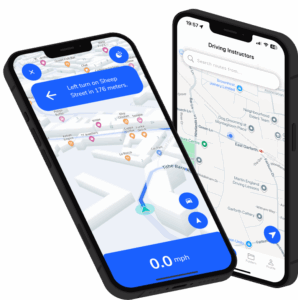
RouteBuddy helps learner drivers prepare by providing access to driving test routes across UK test centres.
With RouteBuddy, learners can:
- Explore routes around their local test centre
- Practise using turn-by-turn navigation
- Become familiar with local roads
- Track completed routes
- Build confidence before test day
RouteBuddy is designed to support preparation and practice. It does not provide official DVSA test routes, and practising routes does not guarantee a pass.
The goal is to help learners spend their practice time more effectively and feel better prepared when they take their test.
Frequently Asked Questions
Are driving test routes official?
No. The DVSA does not publish official driving test routes. However, practising around your local test centre can help you become familiar with the area and gain valuable experience.
How many driving test routes should I practise?
There is no set number. The focus should be on gaining experience across different roads and situations rather than completing as many routes as possible.
When should I start practising driving test routes?
Most learners begin practising local test areas once they have developed their basic driving skills and are approaching test standard.
Will driving test routes guarantee a pass?
No. Driving test routes are only one part of preparation. Passing depends on demonstrating safe, independent driving throughout the test.
Learners can also review the DVSA’s official guidance on preparing for the practical driving test.
Should I only practise roads near my test centre?
No. Local practice is useful, but learners should continue developing the ability to handle different roads and situations confidently.